
Telehealth Revolution: The Future of Remote Healthcare
Discover how telehealth is transforming healthcare delivery. Learn about the advantages, technologies, challenges, and future trends of telehealth. Embrace the future of remote healthcare today.


Telehealth, also known as telemedicine, encompasses the use of digital communication technologies to deliver healthcare services remotely. From virtual consultations to remote monitoring, telehealth bridges the gap between patients and healthcare providers, transcending geographical barriers.
Advantages of Telehealth
Convenience and Accessibility
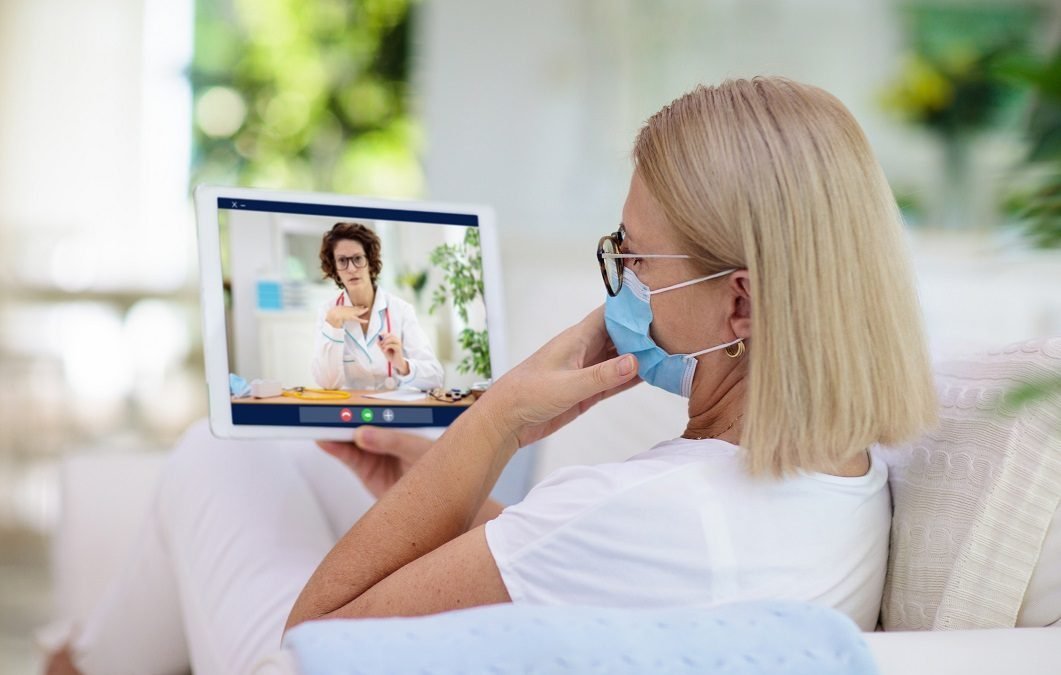
One of the primary benefits of telehealth is its unparalleled convenience. Patients can access medical care from the comfort of their homes, eliminating the need for travel and reducing wait times. Moreover, telehealth enables individuals in rural or underserved areas to connect with specialists who may not be readily available locally.
Cost-effectiveness
Telehealth offers significant cost savings for both patients and healthcare providers. By minimizing overhead expenses associated with traditional healthcare settings, such as facility maintenance and staff salaries, telehealth reduces the overall cost of healthcare delivery. Additionally, virtual consultations often result in fewer missed appointments, further optimizing resource utilization.
Improved Patient Engagement
Telehealth promotes active patient engagement by empowering individuals to take control of their health. Through remote monitoring devices and mobile health apps, patients can track vital signs, monitor chronic conditions, and access educational resources tailored to their needs. This proactive approach fosters a sense of ownership over one's health and encourages adherence to treatment plans.
Telehealth Technologies

Video Conferencing
Video conferencing platforms serve as the cornerstone of telehealth, facilitating real-time communication between patients and healthcare providers. Through secure and HIPAA-compliant channels, clinicians can conduct virtual consultations, diagnose conditions, and prescribe medications, all while maintaining the confidentiality of patient information.
Remote Monitoring Devices
Remote monitoring devices, such as wearable sensors and smart home devices, enable continuous tracking of vital signs and health metrics. These devices allow healthcare providers to remotely monitor patients with chronic conditions, detect early warning signs, and intervene proactively to prevent complications. By leveraging real-time data, remote monitoring enhances patient care and promotes proactive management of health conditions.
Mobile Health Apps
Mobile health apps empower patients to manage their health and wellness on the go. From scheduling appointments to accessing medical records, these apps streamline the healthcare experience and promote seamless communication between patients and providers. Moreover, many mobile health apps offer features such as medication reminders, symptom trackers, and personalized health insights, enhancing patient engagement and adherence to treatment plans.
Telehealth in Practice
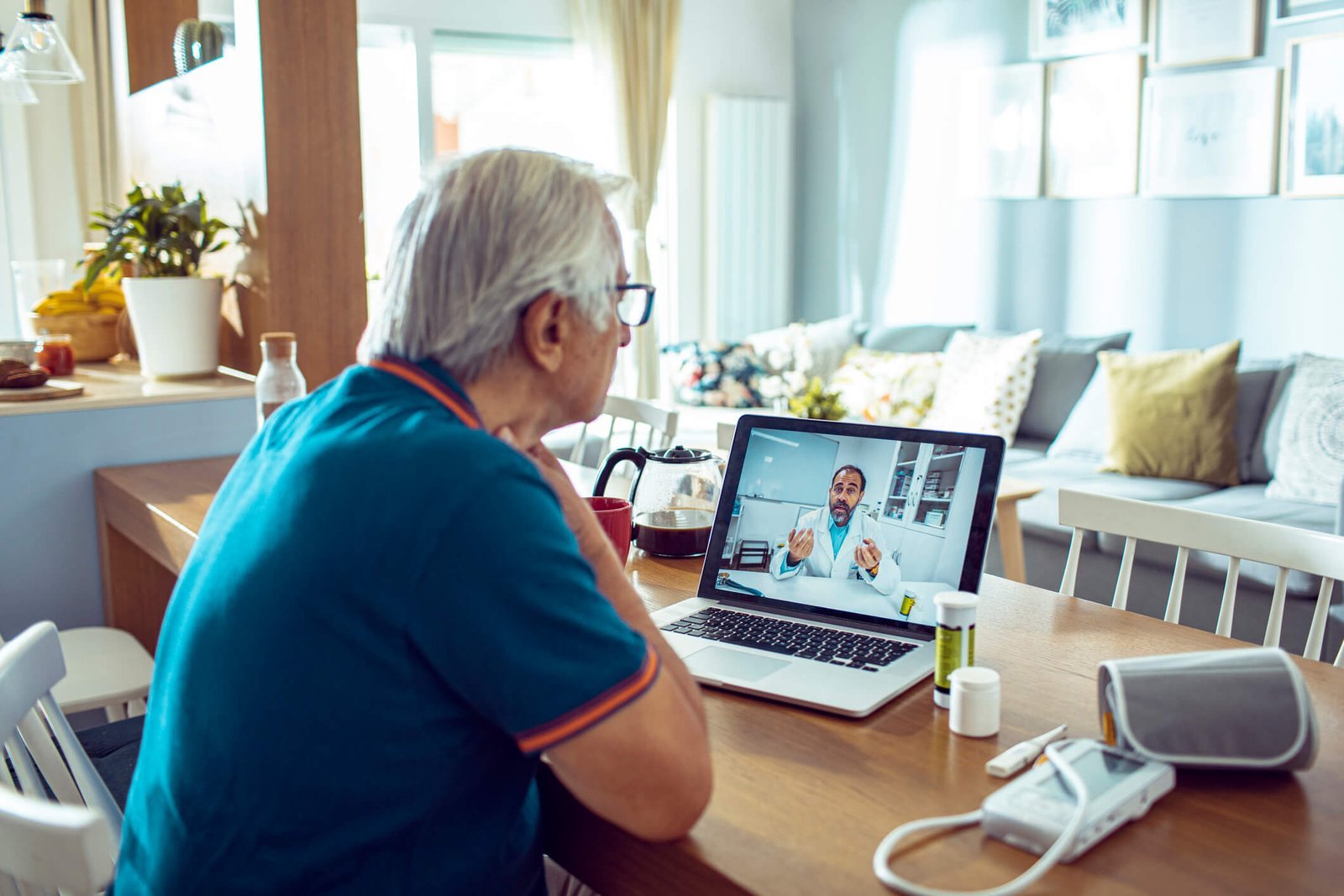 Telehealth has revolutionized the delivery of healthcare across various specialties and settings.
Primary Care Consultations
Virtual primary care consultations enable patients to consult with healthcare providers for routine check-ups, minor ailments, and follow-up visits. Telehealth appointments offer the convenience of scheduling flexibility and eliminate the need for long wait times in traditional primary care settings.
Mental Health Services
Telehealth has transformed access to mental health services, particularly amidst the COVID-19 pandemic. Virtual therapy sessions and counseling sessions allow individuals to seek support from licensed therapists and mental health professionals from the comfort and privacy of their homes. Telepsychiatry services offer timely intervention for psychiatric conditions, reducing stigma and improving access to mental healthcare.
Chronic Disease Management
Telehealth plays a crucial role in chronic disease management, empowering patients with long-term conditions to monitor their health and communicate with their healthcare providers remotely. Through remote monitoring devices and teleconsultations, individuals with conditions such as diabetes, hypertension, and heart disease can receive ongoing support and guidance to manage their conditions effectively.
Overcoming Challenges
 Despite its numerous benefits, telehealth faces several challenges that must be addressed to realize its full potential.
Digital Divide
The digital divide refers to the gap between those who have access to technology and those who do not. Disparities in internet connectivity, digital literacy, and access to devices pose barriers to telehealth adoption, particularly among underserved populations. Addressing the digital divide requires targeted interventions to ensure equitable access to telehealth services for all individuals, regardless of socioeconomic status or geographical location.
Regulatory and Legal Issues
Telehealth is subject to regulatory and legal frameworks that vary across jurisdictions. Licensing requirements, reimbursement policies, and privacy regulations pose challenges for healthcare providers seeking to deliver telehealth services across state or national borders. Harmonizing regulatory standards and ensuring compliance with privacy laws is essential for fostering trust and confidence in telehealth platforms.
Data Privacy and Security
Protecting patient privacy and ensuring the security of health data are paramount concerns in telehealth. The transmission and storage of sensitive medical information require robust encryption protocols, secure authentication mechanisms, and adherence to industry standards such as HIPAA. Safeguarding against data breaches and unauthorized access is essential to maintain patient confidentiality and trust in telehealth platforms.
Telehealth Post-Pandemic
 The COVID-19 pandemic has accelerated the adoption of telehealth and reshaped the future of healthcare delivery.
Integration into Healthcare Systems
Telehealth is poised to become an integral component of healthcare delivery systems worldwide. As healthcare organizations embrace digital transformation, telehealth solutions will be seamlessly integrated into existing workflows and care pathways. Collaborative models of care that combine virtual consultations with in-person visits will optimize resource allocation and improve patient outcomes.
Future Trends and Innovations
Looking ahead, telehealth will continue to evolve with advancements in technology and changes in healthcare delivery models. Innovations such as artificial intelligence, virtual reality, and remote surgical robotics hold promise for enhancing the capabilities of telehealth platforms and expanding the scope of services offered remotely. As telehealth becomes more sophisticated and accessible, it will revolutionize the way healthcare is delivered, making quality care more accessible and equitable for all. In conclusion, the telehealth revolution is reshaping the future of healthcare by leveraging technology to deliver medical services remotely. With its numerous advantages, including convenience, cost-effectiveness, and improved patient engagement, telehealth offers transformative solutions to the challenges facing traditional healthcare delivery.
Frequently Asked Questions
What's Your Reaction?
 Like
0
 Dislike
0
 Love
0
 Funny
0
 Wow
0
 Sad
0
 Angry
0














Comments (0)