
Managing Blood Pressure: Causes, Risks, and Healthy Lifestyle Tips
Blood pressure is a crucial indicator of your overall health, especially your cardiovascular system. Despite being common, abnormal blood pressure—whether too...

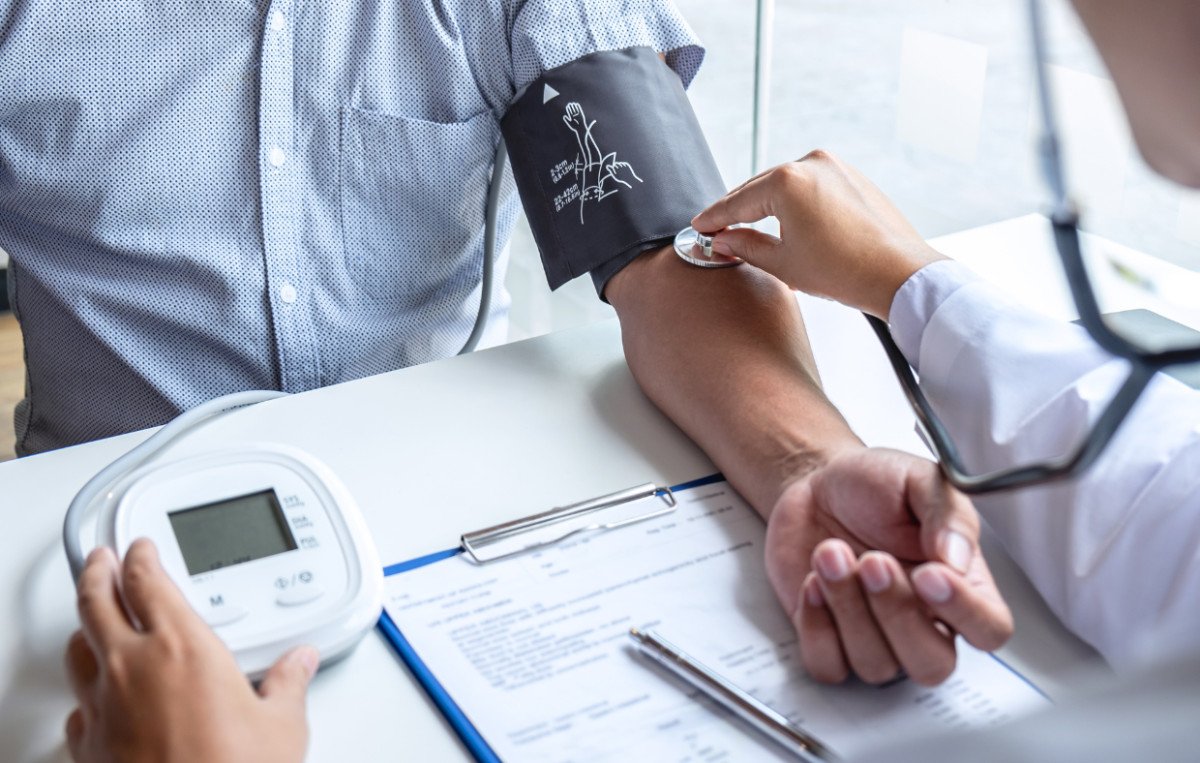
Blood pressure is a crucial indicator of your overall health, especially your cardiovascular system. Despite being common, abnormal blood pressure—whether too high or too low—can lead to serious health complications if not managed properly.
What Is Blood Pressure?
Blood pressure is the force of blood pushing against the walls of your arteries as your heart pumps. It’s measured in millimeters of mercury (mm Hg) and recorded as two numbers:
- Systolic pressure (top number): the pressure when your heart beats
- Diastolic pressure (bottom number): the pressure when your heart rests between beats
Normal Range:
- Normal: Less than 120/80 mm Hg
- Elevated: 120–129 systolic and <80 diastolic
- High blood pressure (Hypertension Stage 1): 130–139 systolic or 80–89 diastolic
- High blood pressure (Hypertension Stage 2): 140/90 mm Hg or higher
- Hypertensive crisis: Over 180/120 mm Hg (requires immediate medical attention)
Types of Blood Pressure Issues
1. High Blood Pressure (Hypertension)
This condition means the pressure in your arteries is consistently too high. It can lead to serious health problems such as heart disease, stroke, kidney failure, and vision loss.
2. Low Blood Pressure (Hypotension)
This occurs when the pressure is too low to supply your organs with sufficient blood. It may cause dizziness, fainting, or even shock in severe cases.
Causes of High Blood Pressure
- Genetics
- Unhealthy diet (high salt or fat)
- Lack of physical activity
- Obesity
- Smoking and alcohol use
- Chronic conditions (like diabetes or kidney disease)
- Stress
Symptoms of Abnormal Blood Pressure
Most people with high blood pressure experience no symptoms, which is why it's called a "silent killer." However, when symptoms do appear, they may include:
- Headaches
- Shortness of breath
- Nosebleeds
- Chest pain
- Vision changes
Low blood pressure symptoms may include:
- Lightheadedness
- Fatigue
- Nausea
- Cold, clammy skin
- Blurred vision
How to Measure Blood Pressure
You can measure blood pressure using:
- Digital home monitors
- Manual devices (sphygmomanometer and stethoscope)
- Regular checkups at a clinic or pharmacy
Tip: Take readings at the same time each day, and rest for at least 5 minutes beforehand.
Health Risks of Uncontrolled Blood Pressure
High Blood Pressure Risks:
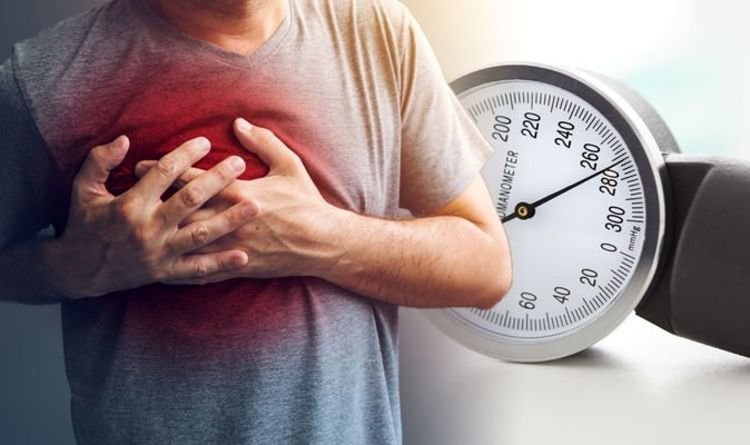
- Heart attack
- Stroke
- Heart failure
- Kidney disease
- Dementia
Low Blood Pressure Risks:
- Falls and injuries
- Shock
- Organ damage (in extreme cases)
Lifestyle Changes to Control Blood Pressure
- Eat a heart-healthy diet (DASH or Mediterranean diet)
- Reduce salt intake
- Exercise regularly (at least 30 mins, 5 days/week)
- Limit alcohol and quit smoking
- Manage stress with meditation, yoga, or deep breathing
- Maintain a healthy weight
- Monitor your blood pressure regularly
Medical Treatment Options
If lifestyle changes aren’t enough, doctors may prescribe medications such as:
- Diuretics
- ACE inhibitors
- Beta-blockers
- Calcium channel blockers
- Angiotensin II receptor blockers (ARBs)
Always consult your healthcare provider before starting or changing any medication.
Conclusion
Monitoring and maintaining your blood pressure is essential to living a long and healthy life. Whether you're managing hypertension or hypotension, awareness, regular checkups, and a balanced lifestyle can make a significant difference.
Frequently Asked Questions About Blood Pressure
What's Your Reaction?
 Like
0
Like
0
 Dislike
0
Dislike
0
 Love
0
Love
0
 Funny
0
Funny
0
 Wow
0
Wow
0
 Sad
0
Sad
0
 Angry
0
Angry
0









Comments (0)