
Navigating the COVID-19 Pandemic: Symptoms, Prevention, and Long-Term Health
The COVID-19 pandemic, caused by the SARS-CoV-2 virus, emerged in late 2019 and quickly evolved into a global health crisis. While vaccines and public health...


The COVID-19 pandemic, caused by the SARS-CoV-2 virus, emerged in late 2019 and quickly evolved into a global health crisis. While vaccines and public health measures have significantly reduced its impact, understanding the virus remains crucial for ongoing protection and health management.
What is COVID-19?
COVID-19 is a contagious respiratory illness primarily spread through respiratory droplets when an infected person coughs, sneezes, or talks. It can also spread by touching surfaces contaminated with the virus and then touching the face, especially the eyes, nose, or mouth.
Common Symptoms of COVID-19
COVID-19 symptoms can vary in intensity and may appear 2–14 days after exposure. Common symptoms include:
- Fever or chills
- Cough
- Shortness of breath or difficulty breathing
- Fatigue
- Muscle or body aches
- Loss of taste or smell
- Sore throat
- Congestion or runny nose
- Nausea or vomiting
- Diarrhea
Some individuals may remain asymptomatic, while others can develop severe illness requiring hospitalization during the COVID-19 pandemic.
Risk Factors for Severe COVID-19 Illness
Individuals at higher risk for severe illness from COVID-19 include:
- Older adults (age 60+)
- People with chronic conditions (e.g., diabetes, heart disease, respiratory illnesses)
- Immunocompromised individuals
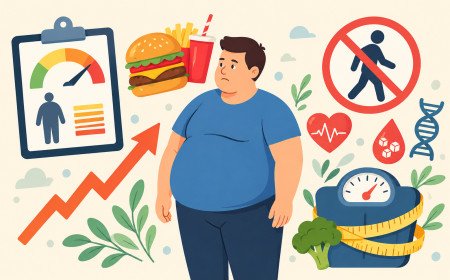
- People with obesity
How COVID-19 Spreads
COVID-19 spreads through:
- Close contact with infected individuals
- Airborne transmission in enclosed, poorly ventilated areas
- Contact with contaminated surfaces and objects (less common)
Preventive Measures During the COVID-19 Pandemic
1. COVID-19 Vaccination
Getting vaccinated is the most effective way to prevent severe illness, hospitalization, and death from COVID-19. Stay up to date with booster shots as recommended by health authorities.
2. Personal Hygiene Practices
- Wash hands frequently with soap and water for at least 20 seconds
- Use hand sanitizer with at least 60% alcohol
- Avoid touching your face with unwashed hands
3. Mask-Wearing and Social Distancing

- Wear a mask in crowded or indoor public settings
- Maintain at least 6 feet of distance from others
- Avoid large gatherings, especially indoors
4. Indoor Ventilation
- Improve air circulation in indoor spaces
- Use air purifiers and open windows when possible
5. COVID-19 Testing and Isolation
- Get tested if you experience symptoms or have been exposed to the virus
- Isolate if you test positive to prevent spreading COVID-19 to others
COVID-19 Variants
New COVID-19 variants continue to emerge. Variants may differ in transmissibility, severity, and vaccine effectiveness. Stay informed through public health sources about variant-specific risks and guidance.
Long COVID
Some individuals experience symptoms for weeks or months after the initial infection, a condition known as Long COVID. Common long-term symptoms include:
- Fatigue
- Brain fog
- Shortness of breath
- Joint or chest pain
- Anxiety and depression
If you experience prolonged symptoms, consult a healthcare provider for evaluation and treatment options.
COVID-19 Treatment Options
Mild to Moderate COVID-19 Cases
- Rest and hydration
- Over-the-counter medications to relieve symptoms (e.g., fever reducers)
Severe COVID-19 Cases
- Hospital care, including oxygen support or mechanical ventilation
- Antiviral medications such as remdesivir
- Monoclonal antibody treatments (based on current guidelines)
Consult a healthcare professional for personalized treatment based on individual health conditions.
Mental Health During the COVID-19 Pandemic
The COVID-19 pandemic has led to increased stress, anxiety, and depression. Support your mental health by:
- Staying connected with friends and family through digital or safe in-person interactions
- Practicing mindfulness, relaxation, or meditation
- Seeking professional mental health support when needed
Conclusion
The COVID-19 pandemic continues to challenge public health systems worldwide. However, with accurate information, preventive strategies, and effective treatments, we can navigate this ongoing crisis. Stay updated, practice safety measures, and prioritize your physical and mental well-being in the fight against COVID-19.
Frequently Asked Questions
What's Your Reaction?
 Like
0
Like
0
 Dislike
0
Dislike
0
 Love
0
Love
0
 Funny
0
Funny
0
 Wow
0
Wow
0
 Sad
0
Sad
0
 Angry
0
Angry
0













Comments (0)