
Comprehensive Guide to Skin Diseases: Causes, Symptoms, Diagnosis, and Advanced Treatments
Skin diseases are among the most prevalent health conditions worldwide. Affecting millions of people each year, these disorders range from mild rashes to...

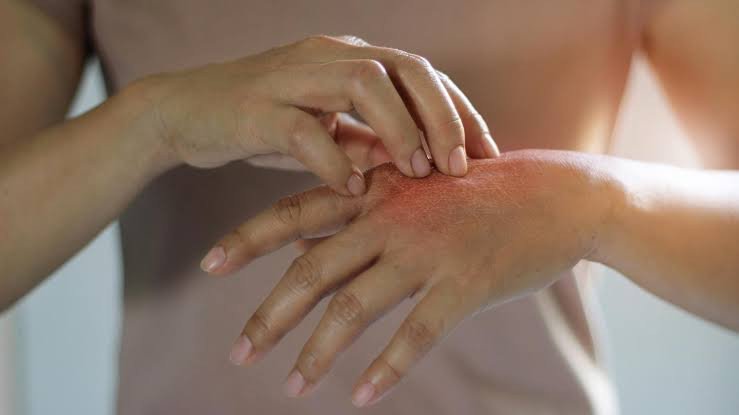
Skin diseases are among the most prevalent health conditions worldwide. Affecting millions of people each year, these disorders range from mild rashes to life-threatening cancers. Understanding their causes, symptoms, and treatment options is crucial for early intervention and effective management.
What Are Skin Diseases?
Skin diseases are conditions that affect the skin’s structure, function, or appearance. These conditions can be:
- Temporary or chronic
- Mild or severe
- Isolated or symptomatic of a systemic issue
Skin disorders may involve irritation, infection, immune dysfunction, or environmental triggers.
Common Causes of Skin Diseases
1. Genetic Predisposition
Some conditions, like psoriasis and eczema, run in families. Inherited skin disorders include ichthyosis and epidermolysis bullosa.
2. Environmental Factors
Sun exposure, pollution, humidity, or chemicals can trigger or worsen skin conditions.
3. Immune System Dysfunction
Autoimmune disorders like lupus or psoriasis cause the body to attack healthy skin cells.
4. Infections
- Bacterial: Cellulitis, impetigo
- Viral: Herpes simplex, shingles
- Fungal: Ringworm, athlete’s foot, yeast infections
- Parasitic: Scabies, lice
5. Hormonal Changes
Hormonal fluctuations during puberty, pregnancy, or menopause can affect skin health.
6. Allergic Reactions
Contact dermatitis may result from allergens such as poison ivy, latex, or certain cosmetics.
7. Poor Hygiene or Skin Care Practices
Excessive use of harsh soaps, poor moisturization, or using expired products can contribute to skin problems.
Classification: Common and Rare Skin Diseases
Common Skin Conditions
| Condition | Description | Key Symptoms |
|---|---|---|
| Eczema | Inflammatory condition | Dry, itchy, cracked skin |
| Psoriasis | Autoimmune disorder | Scaly, red, inflamed patches |
| Acne | Clogged hair follicles | Pimples, blackheads, cysts |
| Rosacea | Chronic facial redness | Flushing, bumps, sensitivity |
| Fungal Infections | Caused by fungi | Itchy, red, ring-like patches |
| Vitiligo | Loss of pigment | White patches on skin |
| Urticaria (Hives) | Allergic reaction | Raised, itchy welts |
Less Common or Rare Skin Conditions
| Condition | Description |
|---|---|
| Lichen Planus | Autoimmune condition causing purple, itchy bumps |
| Pemphigus Vulgaris | Rare autoimmune blistering disease |
| Cutaneous Lupus | Lupus affecting skin, causing rashes |
| Dermatomyositis | Inflammatory disease affecting skin and muscles |
How Are Skin Diseases Diagnosed?
1. Clinical Examination
Dermatologists assess visible symptoms, duration, and patient history.
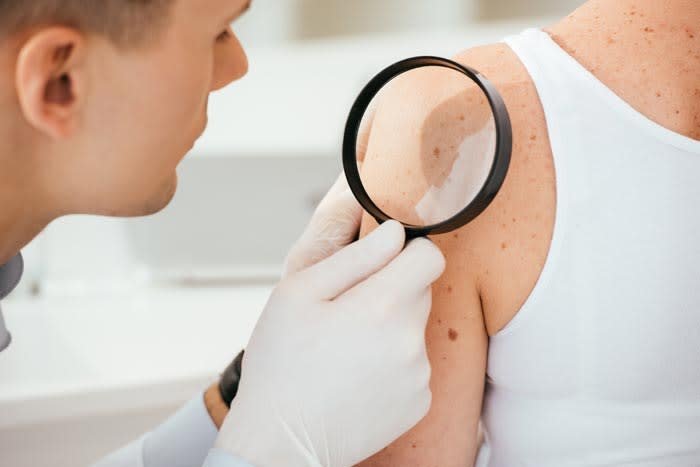
2. Dermatoscopy
A magnifying device helps examine moles and lesions more closely.
3. Skin Biopsy
A small sample is taken and examined under a microscope to confirm diagnosis.
4. Patch Testing
Used to detect allergic reactions causing contact dermatitis.
5. Blood Tests
Check for systemic or autoimmune conditions such as lupus or infections.
6. Wood's Lamp Examination
Uses ultraviolet light to detect certain bacterial or fungal infections.
Treatment Options for Skin Diseases
Topical Therapies
- Corticosteroids: Reduce inflammation in eczema or dermatitis
- Antifungal creams: Treat fungal infections such as ringworm
- Antibacterial ointments: Manage bacterial skin infections
- Retinoids: Used for acne and photoaging
Oral Medications
- Antibiotics: Treat infections and some types of acne
- Antihistamines: Control allergic reactions and itching
- Immunosuppressants: Used for autoimmune skin conditions
- Antiviral drugs: Manage conditions like shingles or herpes
Phototherapy
Controlled ultraviolet light exposure helps treat psoriasis, eczema, and vitiligo.
Advanced Treatments
- Biologic therapy: Targets specific parts of the immune system
- Laser therapy: Treats pigmentation issues, scars, and vascular lesions
- Cryotherapy: Freezes abnormal skin cells
- Surgery: Removes skin cancers or severe lesions
Mental Health and Skin Conditions
Skin disorders can significantly affect emotional well-being, leading to:
- Low self-esteem
- Depression or anxiety
- Social withdrawal
It is important to treat both physical symptoms and the psychological impact. Support groups, therapy, and counseling can be beneficial.
Prevention and Daily Skin Care Tips
- Use sunscreen daily with SPF 30 or higher
- Choose fragrance-free, gentle skin care products
- Moisturize regularly, especially after bathing
- Avoid scratching to prevent infection and scarring
- Eat a diet rich in antioxidants and vitamins
- Manage stress, which can trigger or worsen conditions
When Should You See a Dermatologist?
Consult a dermatologist if:
- A rash persists longer than two weeks or worsens
- New or changing moles or dark spots appear
- Over-the-counter treatments are ineffective
- The condition affects your daily life or emotional well-being
Conclusion
Skin diseases can have a profound impact on both physical health and quality of life. Fortunately, most conditions can be effectively managed with proper diagnosis, timely treatment, and good skin care practices.
Whether dealing with a chronic issue like eczema or a sudden allergic reaction, understanding the underlying cause and consulting a medical professional are key to achieving healthy skin.
Frequently Asked Questions
What's Your Reaction?
 Like
0
Like
0
 Dislike
0
Dislike
0
 Love
0
Love
0
 Funny
0
Funny
0
 Wow
0
Wow
0
 Sad
0
Sad
0
 Angry
0
Angry
0














Comments (0)