
Understanding Kidney Damage: Causes, Symptoms, Diagnosis, and Prevention
Kidneys play a vital role in keeping the body healthy. They filter waste from the blood, regulate blood pressure, balance electrolytes, and manage fluid...

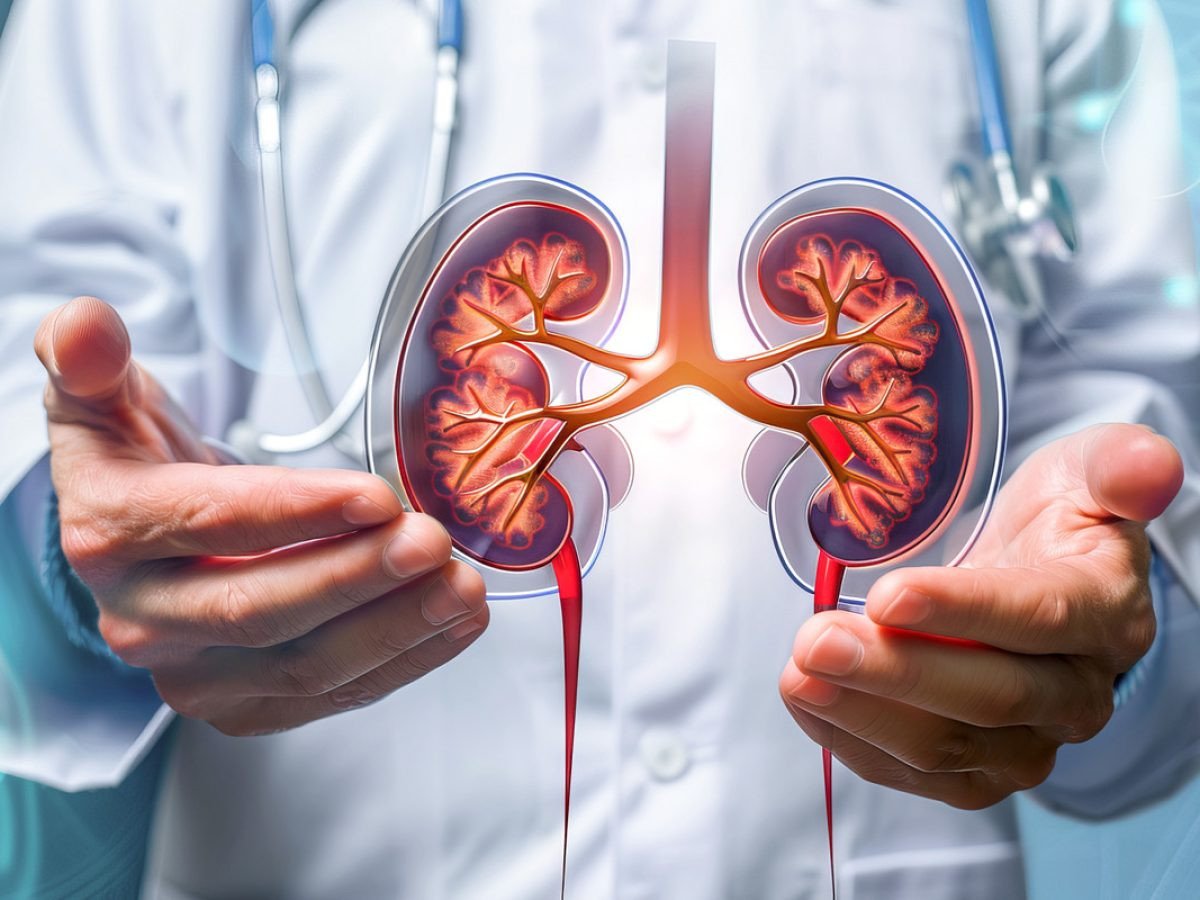
Kidneys play a vital role in keeping the body healthy. They filter waste from the blood, regulate blood pressure, balance electrolytes, and manage fluid levels. When the kidneys become damaged, these essential functions are compromised, leading to serious health complications.
What is Kidney Damage?
Kidney damage refers to the deterioration of kidney function due to injury, disease, or long-term stress. This condition may be acute (sudden) or chronic (progressive and long-lasting). If left untreated, kidney damage can lead to kidney failure, requiring dialysis or a transplant.
Functions of the Kidneys
The kidneys perform several life-sustaining tasks:
- Filter waste products and excess fluids from the blood
- Regulate electrolyte levels (sodium, potassium, calcium)
- Control blood pressure by managing fluid and hormone levels
- Produce hormones that support red blood cell production and bone health
Types of Kidney Damage
- Acute Kidney Injury (AKI)
- Sudden decline in kidney function
- Often reversible if treated promptly
- Caused by dehydration, infections, trauma, or certain medications
- Chronic Kidney Disease (CKD)
- Gradual loss of kidney function over months or years
- May progress to end-stage renal disease (ESRD)
- Often due to diabetes, high blood pressure, or genetic conditions
Common Causes of Kidney Damage
- Diabetes (Diabetic Nephropathy)
- High blood sugar damages kidney blood vessels over time
- High Blood Pressure (Hypertension)
- Increased pressure can scar and weaken kidney tissues
- Glomerulonephritis
- Inflammation of the kidney’s filtering units (glomeruli)
- Polycystic Kidney Disease (PKD)
- A genetic disorder causing fluid-filled cysts that impair kidney function
- Urinary Tract Obstruction
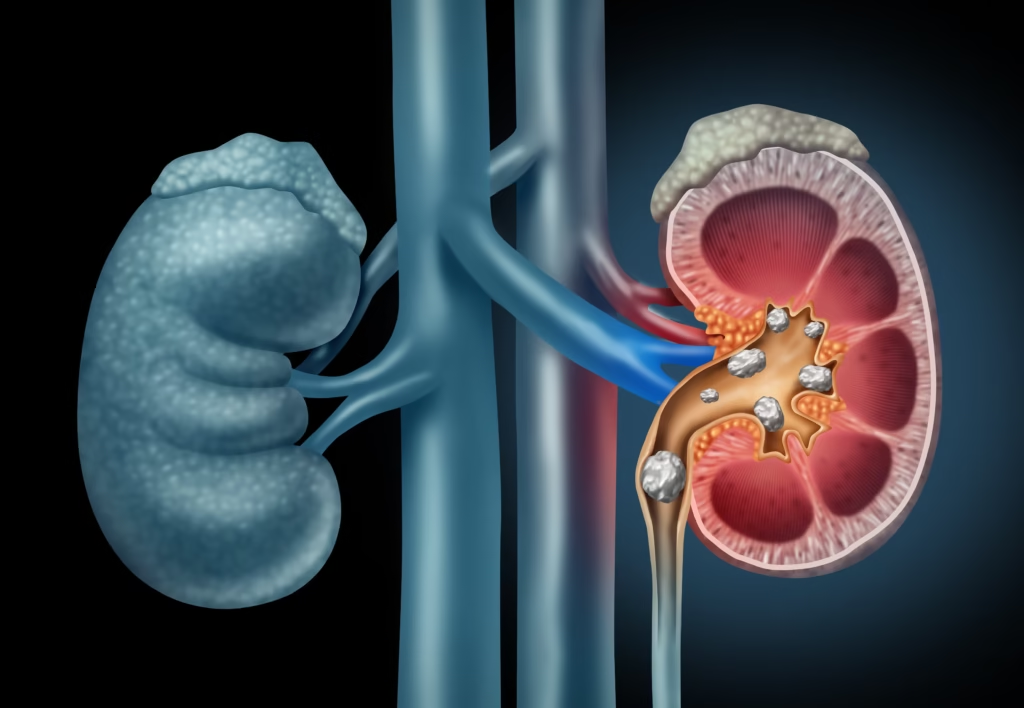
- Blockage due to kidney stones, enlarged prostate, or tumors
- Frequent Use of Painkillers or NSAIDs
- Long-term use of certain drugs like ibuprofen or naproxen can reduce blood flow to the kidneys
- Autoimmune Diseases
- Conditions like lupus may cause kidney inflammation (lupus nephritis)
- Infections
- Repeated kidney infections (pyelonephritis) can lead to scarring and loss of function
Symptoms of Kidney Damage
Kidney damage often develops silently. Early symptoms may not be noticeable. As the condition progresses, symptoms may include:
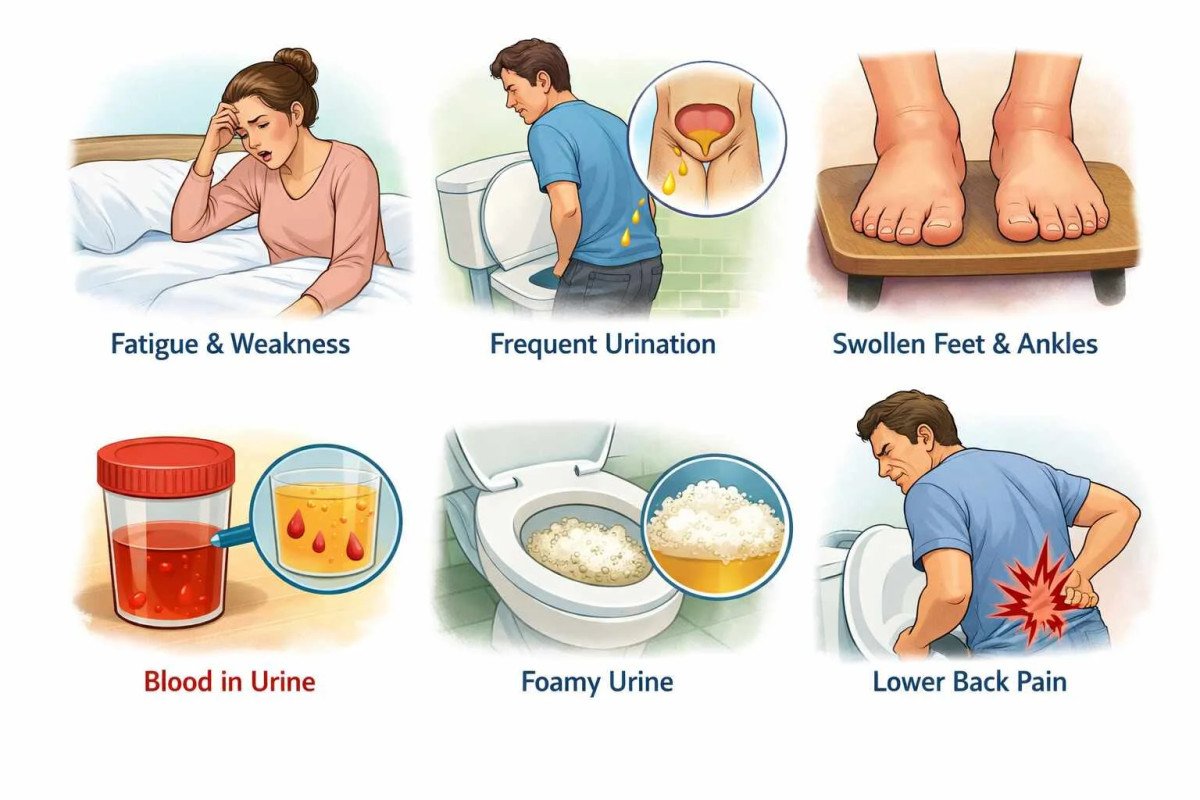
- Fatigue or weakness
- Swelling in feet, ankles, or face (edema)
- Difficulty urinating or changes in urine (foaminess, blood, or dark color)
- High blood pressure
- Loss of appetite or metallic taste in the mouth
- Nausea and vomiting
- Muscle cramps or twitching
- Itchy skin
- Trouble concentrating
If you experience multiple symptoms, especially if you have risk factors like diabetes or high blood pressure, seek medical evaluation.
How is Kidney Damage Diagnosed?
- Blood Tests
- Measures levels of creatinine and blood urea nitrogen (BUN)
- Estimated glomerular filtration rate (eGFR) assesses kidney function
- Urine Tests
- Detect protein, blood, or abnormal substances in the urine
- Imaging Tests
- Ultrasound, CT scan, or MRI may reveal structural damage or blockages
- Kidney Biopsy
- A small tissue sample is examined to determine the cause and extent of damage
Treatment Options for Kidney Damage
1. Lifestyle Changes
- Low-sodium, kidney-friendly diet
- Blood sugar and blood pressure control
- Avoiding smoking and excessive alcohol
2. Medications
- Blood pressure medications (ACE inhibitors, ARBs)
- Diuretics to reduce fluid buildup
- Drugs to manage anemia or bone health
3. Dialysis
- For end-stage kidney failure
- Removes waste and excess fluid when kidneys no longer function
4. Kidney Transplant
- Replaces a damaged kidney with a healthy donor organ
- Recommended for those with irreversible kidney failure
Prevention Tips: Protecting Your Kidneys
- Maintain a healthy blood pressure (below 120/80 mmHg)
- Manage blood sugar levels if diabetic
- Stay hydrated, but avoid excessive fluid intake
- Limit salt, sugar, and processed foods
- Avoid overuse of NSAIDs and certain antibiotics
- Get regular health check-ups and kidney function tests
- Exercise regularly to maintain a healthy weight
- Quit smoking and limit alcohol intake
When to See a Doctor
Early detection is key. Schedule a medical check-up if you have:
- Family history of kidney disease
- Diabetes, high blood pressure, or heart disease
- Unexplained swelling or changes in urination
- Persistent fatigue or other symptoms mentioned above
Conclusion
Kidney damage is a serious health condition that often goes unnoticed until it becomes severe. Understanding the risks, recognizing early symptoms, and taking preventive measures can greatly reduce the chance of developing kidney disease.
With timely medical care, lifestyle adjustments, and proper management, many people with kidney damage can lead full, healthy lives. If you are at risk or experiencing symptoms, consult a healthcare provider to evaluate your kidney health today.
Frequently Asked Questions About Kidney Damage
What's Your Reaction?
 Like
0
Like
0
 Dislike
0
Dislike
0
 Love
0
Love
0
 Funny
0
Funny
0
 Wow
0
Wow
0
 Sad
0
Sad
0
 Angry
0
Angry
0














Comments (0)