
The Impact of Diet on Health: An In-depth Study
Dive deeper into the profound impact of diet on health. From physical to mental health, discover how the food you eat shapes your wellbeing.

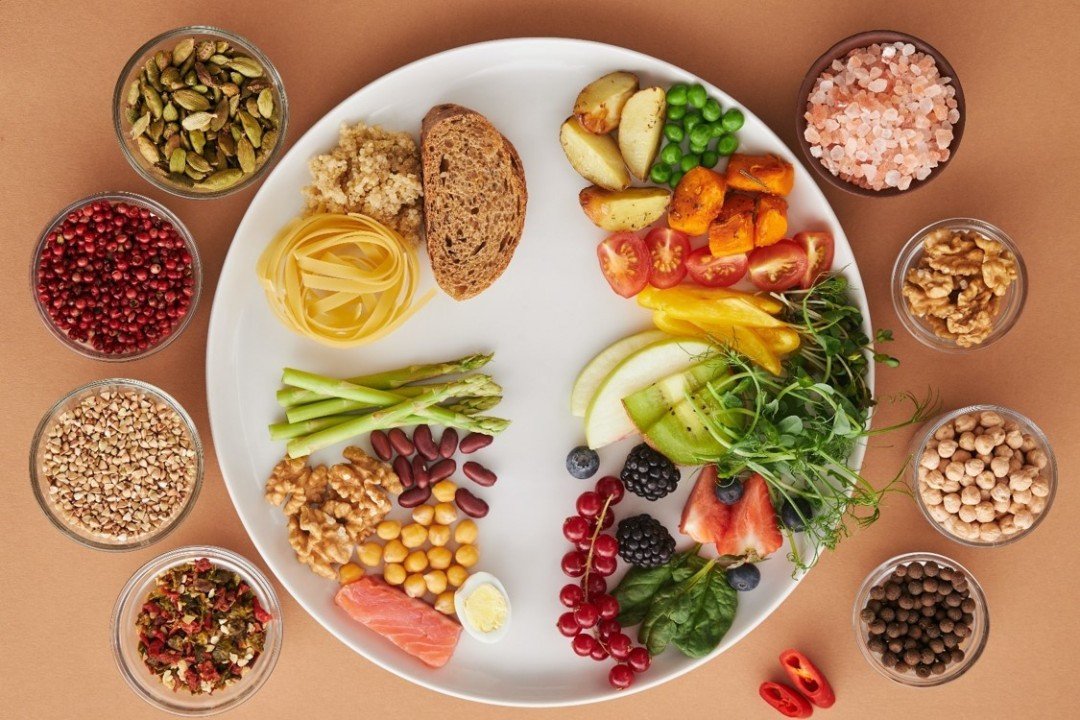
Food, it’s something we all need, it’s something we all enjoy. But have you ever stopped to think about the impact it has on your health? It’s not just about the calories or the nutrients, it’s about the whole package. The food we eat can have a profound effect on our health, both mental and physical.
The Connection Between Diet and Physical Health
 It’s no secret that diet plays a crucial role in our physical health. From the moment we are born, the food we consume shapes our growth, development, and overall health. A balanced diet provides the nutrients our bodies need to function properly. But what happens when our diet is out of balance?
The Role of Nutrients
Nutrients are the building blocks of life. They are essential for growth, development, and maintenance of body functions. A deficiency in any nutrient can lead to health problems. For example, a lack of calcium can lead to weak bones and teeth, while a lack of vitamin C can lead to scurvy.
The Dangers of an Unbalanced Diet
An unbalanced diet can lead to a host of health problems. Consuming too much sugar can lead to obesity and diabetes, while consuming too little can lead to malnutrition. Similarly, consuming too much fat can lead to heart disease, while consuming too little can lead to a deficiency in fat-soluble vitamins.
The Connection Between Diet and Mental Health
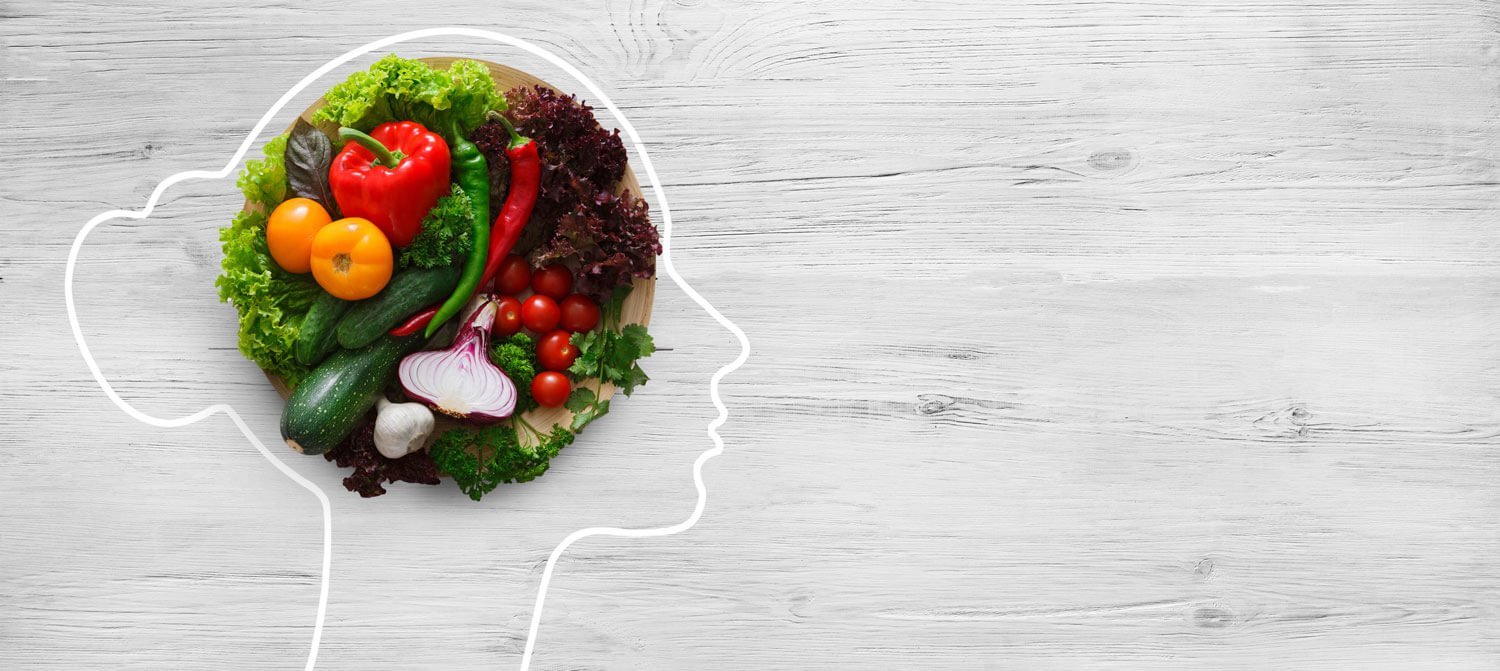 The food we eat doesn’t just affect our physical health, it also affects our mental health. Recent studies have shown a strong link between diet and mental health disorders such as depression and anxiety.
The Gut-Brain Axis
The gut-brain axis is a term used to describe the communication between the gut and the brain. It is now understood that the bacteria in our gut can communicate with our brain, influencing our mood and behavior. This is why a healthy diet is so important for mental health.
The Role of Diet in Mental Health
A healthy diet can help to balance the bacteria in our gut, leading to improved mental health. On the other hand, an unhealthy diet can lead to an imbalance, which can contribute to mental health disorders.
The Impact of Diet on Health: A Case Study
 Let’s take a look at a case study to better understand the impact of diet on health. John, a 35-year-old man, was struggling with obesity and depression. He decided to make a change and started eating a balanced diet. After a few months, he noticed a significant improvement in his physical and mental health.
Tips for a Healthy Diet
Here are some tips to help you maintain a healthy diet:
- Eat a variety of foods to ensure you get a wide range of nutrients.
- Limit your intake of processed foods and sugary drinks.
- Include plenty of fruits and vegetables in your diet.
- Choose whole grains over refined grains.
- Include sources of lean protein in your diet, such as fish, poultry, and legumes.
The Science Behind Diet and Health
 Understanding the science behind diet and health can help us make informed decisions about what we eat. Let’s delve deeper into this topic.
Macronutrients and Micronutrients
Our food is composed of macronutrients and micronutrients. Macronutrients include carbohydrates, proteins, and fats, which provide energy and are needed in large amounts. Micronutrients include vitamins and minerals, which are needed in smaller amounts but are still crucial for our health.
The Role of Fiber
Fiber is a type of carbohydrate that our bodies can’t digest. It passes through our digestive system largely intact, helping to keep our digestive system healthy. A diet high in fiber can help prevent heart disease, diabetes, weight gain, and some types of cancer.
The Importance of Hydration
Water is essential for our health. It helps to regulate our body temperature, lubricate our joints, and transport nutrients throughout our body. Staying hydrated can also help to control our appetite and maintain a healthy weight.
Diet and Disease Prevention
 A healthy diet can help to prevent a range of diseases, from heart disease to cancer. Let’s explore this further.
Heart Disease
A diet high in saturated fats, trans fats, and cholesterol can raise blood cholesterol levels, leading to heart disease. On the other hand, a diet rich in fruits, vegetables, whole grains, and lean proteins can help to lower cholesterol levels and reduce the risk of heart disease.
Cancer
Certain dietary factors can increase the risk of cancer, including a diet high in processed meats and alcohol. Conversely, a diet rich in fruits, vegetables, and whole grains can help to protect against cancer.
The Impact of Diet on Mental Health: A Closer Look
 We’ve touched on the impact of diet on mental health, but let’s delve deeper into this topic.
The Role of Omega-3 Fatty Acids
Omega-3 fatty acids are a type of fat that is beneficial for our brain health. They are found in fatty fish, walnuts, and flaxseeds. A diet rich in omega-3 fatty acids can help to improve mood and reduce the risk of mental health disorders.
The Impact of Sugar on Mental Health
A diet high in sugar can have a negative impact on our mental health. It can lead to fluctuations in blood sugar levels, leading to mood swings and anxiety. Reducing sugar intake can help to stabilize mood and improve mental health.
Conclusion: The Power of Diet Revisited
In conclusion, the food we eat has a profound impact on our health, both physical and mental. By understanding the science behind diet and health, we can make informed decisions about what we eat and live healthier lives. For more information on the impact of diet on health, visit our blog or contact us for personalized advice.
Frequently Asked Questions
What's Your Reaction?
 Like
0
 Dislike
0
 Love
0
 Funny
0
 Wow
0
 Sad
0
 Angry
0













Comments (0)