
Understanding Lower Back Pain: Causes and Remedies
Explore the common causes of lower back pain and discover effective remedies for alleviating discomfort. Gain insights into lifestyle factors, medical conditions, and preventive measures for maintaining a healthy back.

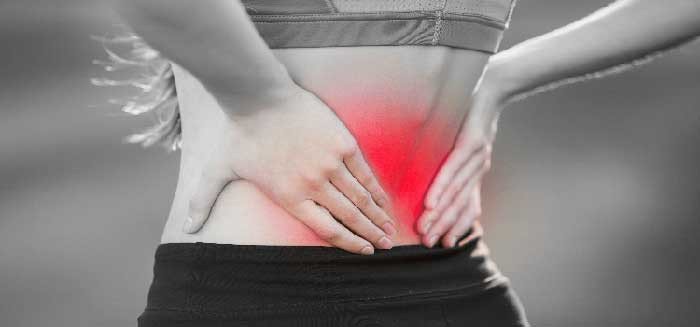
Lower back pain is a prevalent and often debilitating condition that affects millions of individuals worldwide. Understanding the underlying causes of lower back pain is essential for effective management and prevention. In this guide, we delve into the common causes of lower back pain, ranging from lifestyle factors to medical conditions, and explore remedies for finding relief and maintaining a healthy back.
Common Causes of Lower Back Pain

Muscular Strain and Sprain
Muscular strain and sprain, often caused by improper lifting techniques, sudden movements, or overexertion, are among the leading causes of lower back pain. These injuries can result in muscle spasms, inflammation, and discomfort in the lower back region.
Poor Posture and Ergonomics
Poor posture, prolonged sitting, and improper ergonomics can place undue stress on the muscles and ligaments of the lower back, leading to chronic pain and discomfort. Slouching, hunching over electronic devices, and sitting for extended periods without proper lumbar support can contribute to back pain over time.
Degenerative Disc Disease
Degenerative disc disease occurs when the intervertebral discs in the spine deteriorate due to age-related wear and tear, leading to spinal instability and nerve compression. This condition can result in chronic lower back pain, stiffness, and limited range of motion.
Herniated Disc
A herniated disc, also known as a slipped or ruptured disc, occurs when the soft inner core of a spinal disc protrudes through the tough outer layer, pressing on nearby nerves and causing pain. Common symptoms include shooting pain, numbness, and tingling sensations that radiate down the legs (sciatica).
Spinal Stenosis
Spinal stenosis is a narrowing of the spinal canal, which can compress the spinal cord and nerves, leading to lower back pain, leg pain, and weakness. This condition may result from age-related changes, such as osteoarthritis, or congenital factors that affect the structure of the spine.
Remedies for Alleviating Lower Back Pain
Physical Therapy and Exercise
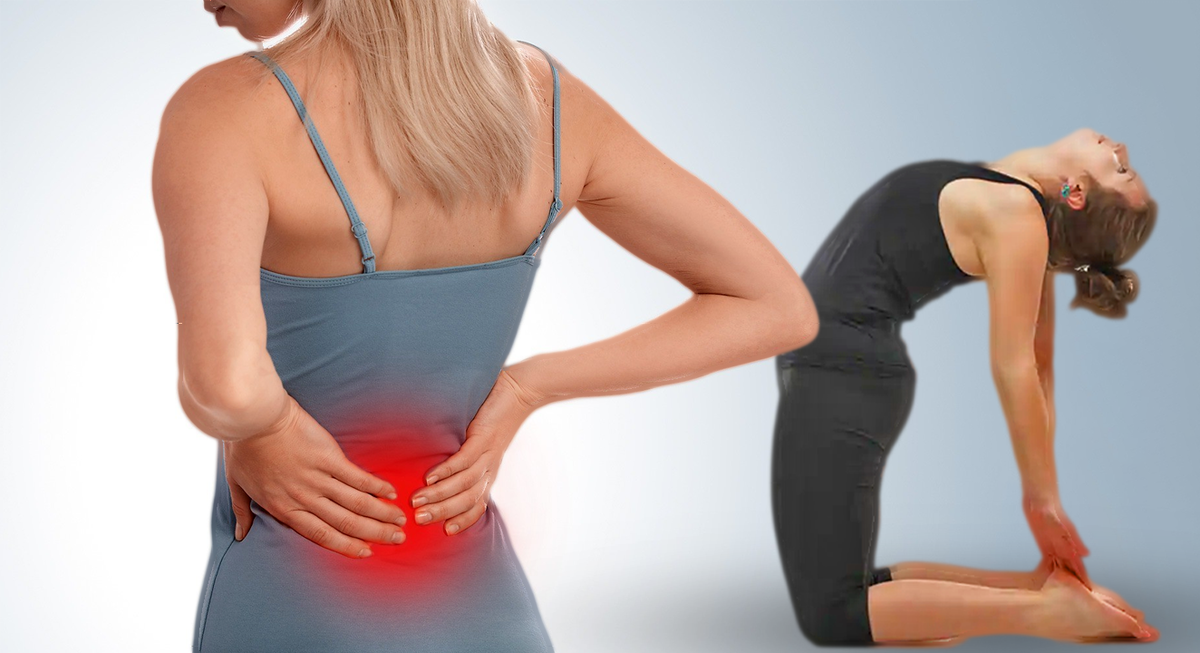
Physical therapy and targeted exercises can help strengthen the muscles of the lower back, improve flexibility, and alleviate pain. Incorporating activities such as stretching, core strengthening exercises, and low-impact aerobic workouts can promote spine health and reduce the risk of future injuries.
Pain Management Techniques
Various pain management techniques, including heat therapy, cold therapy, massage, and over-the-counter pain relievers, can provide temporary relief from lower back pain. Additionally, techniques such as acupuncture, chiropractic care, and transcutaneous electrical nerve stimulation (TENS) may offer alternative approaches to managing discomfort.
Proper Body Mechanics and Posture
Practising proper body mechanics and maintaining good posture is essential for preventing lower back pain. Avoiding heavy lifting, using ergonomic furniture and tools, and practising spine-healthy habits, such as maintaining a neutral spine position while sitting and standing, can reduce the risk of strain and injury.
Stress Reduction and Relaxation Techniques
Stress and tension can exacerbate lower back pain, so incorporating stress reduction techniques and relaxation practices into daily life can be beneficial. Techniques such as deep breathing, meditation, yoga, and mindfulness can help alleviate muscle tension, promote relaxation, and reduce pain perception.  In conclusion, lower back pain can significantly impact daily life and quality of life, but understanding its causes and implementing effective remedies can help manage discomfort and prevent future episodes. By addressing lifestyle factors, seeking appropriate medical care, and adopting preventive measures, individuals can maintain a healthy back and enjoy improved overall well-being.
Frequently Asked Questions
What's Your Reaction?
 Like
0
 Dislike
0
 Love
0
 Funny
0
 Wow
0
 Sad
0
 Angry
0












Comments (0)