
Mindful Revolution: Enhancing Mental Well-being in the Digital Age
Embark on a journey of self-discovery with the Mindful Revolution, where you'll learn how mindfulness can transform your life, reduce stress, and enhance your mental well-being. Dive into practical tips and techniques to easily incorporate mindfulness into your daily routine.


In an increasingly fast-paced world dominated by technology, the practice of mindfulness has emerged as a powerful tool to counteract stress, anxiety, and the pressures of modern life. Let's delve into the profound impact of mindfulness on mental health and overall well-being, exploring how it can bring balance and tranquility to our lives amid digital chaos.
Understanding Mindfulness

What is Mindfulness?
Mindfulness, derived from ancient meditation practices, involves focusing one's awareness on the present moment without judgment.
The Science Behind Mindfulness
Research has shown that mindful revolution can rewire the brain, reducing activity in the amygdala (the brain's fear center) and enhancing connectivity in regions associated with attention and emotion regulation.
Mindfulness in the Digital Age
The Digital Dilemma
In an era of constant connectivity and information overload, our attention is constantly pulled in multiple directions, leading to increased stress and mental fatigue.
The Role of Mindfulness Apps
With the rise of smartphone usage, mindfulness apps have become increasingly popular, offering guided meditation sessions, breathing exercises, and stress-reducing techniques at our fingertips.
Benefits of Mindfulness
Stress Reduction
Mindfulness practices have been shown to reduce levels of cortisol, the body's primary stress hormone, promoting a sense of calm and relaxation.
Improved Focus and Concentration
By training the mind to focus on the present moment, mindfulness enhances cognitive function, leading to improved concentration and productivity.
Enhanced Emotional Well-being
Regular mindfulness practice cultivates emotional resilience, helping individuals better cope with negative emotions and challenging situations.
Incorporating Mindfulness Into Daily Life

Mindful Eating
Paying attention to the sensory experience of eating can enhance enjoyment and promote healthy eating habits.
Mindful Movement
Activities such as yoga, tai chi, and walking meditation offer opportunities to cultivate mindfulness while engaging in physical activity.
Mindful Technology Use
Setting boundaries around technology usage and practicing digital detoxes can help prevent digital overwhelm and promote mindful living.
Challenges and Misconceptions
Time Constraints
Many people believe that mindfulness requires lengthy meditation sessions, but even brief moments of mindfulness throughout the day can yield significant benefits.
Cultural Appropriation
Mindfulness, rooted in Eastern spiritual traditions, has faced criticism for being commodified and stripped of its cultural context in Western contexts.
Integrating Mindfulness into Daily Life
Finding Moments of Mindfulness Amidst the Chaos
Incorporating mindfulness into our daily routines doesn't have to be daunting. Simple practices such as mindful breathing, body scans, and mindful eating can help us anchor ourselves in the present moment, regardless of our surroundings.
Mindfulness in the Digital Age
Striking a Balance in a Hyperconnected World
While technology has undoubtedly transformed our lives in countless ways, it has also contributed to a constant state of distraction and information overload. Mindfulness offers a counterbalance, allowing us to reclaim our attention and cultivate a sense of presence amidst the digital noise.
Cultivating Compassion Through Mindfulness

Extending Kindness to Ourselves and Others
At its core, mindfulness is about cultivating compassion—both towards ourselves and others. By practicing self-compassion and empathy, we can foster deeper connections and cultivate a more compassionate world.
Overcoming Common Challenges
Addressing Common Misconceptions and Roadblocks
Despite its myriad benefits, incorporating mindfulness into our lives isn't always easy. Common challenges such as restlessness, skepticism, and lack of time can hinder our progress. However, by approaching these obstacles with curiosity and compassion, we can overcome them one mindful breath at a time.
The Mindful Revolution
Embracing a Mindful Lifestyle
As the world becomes increasingly fast-paced and interconnected, the need for mindfulness has never been greater. By embracing a mindful lifestyle, we can cultivate inner peace, enhance our mental well-being, and ultimately, lead more fulfilling lives.
The Science Behind Mindfulness
Rewiring the Brain for Positivity
Research suggests that practicing mindfulness can lead to tangible changes in the brain, including increased grey matter density in areas associated with emotion regulation and decreased activity in the amygdala, the brain's fear center.
Mindfulness and Mental Health
Nurturing Emotional Resilience
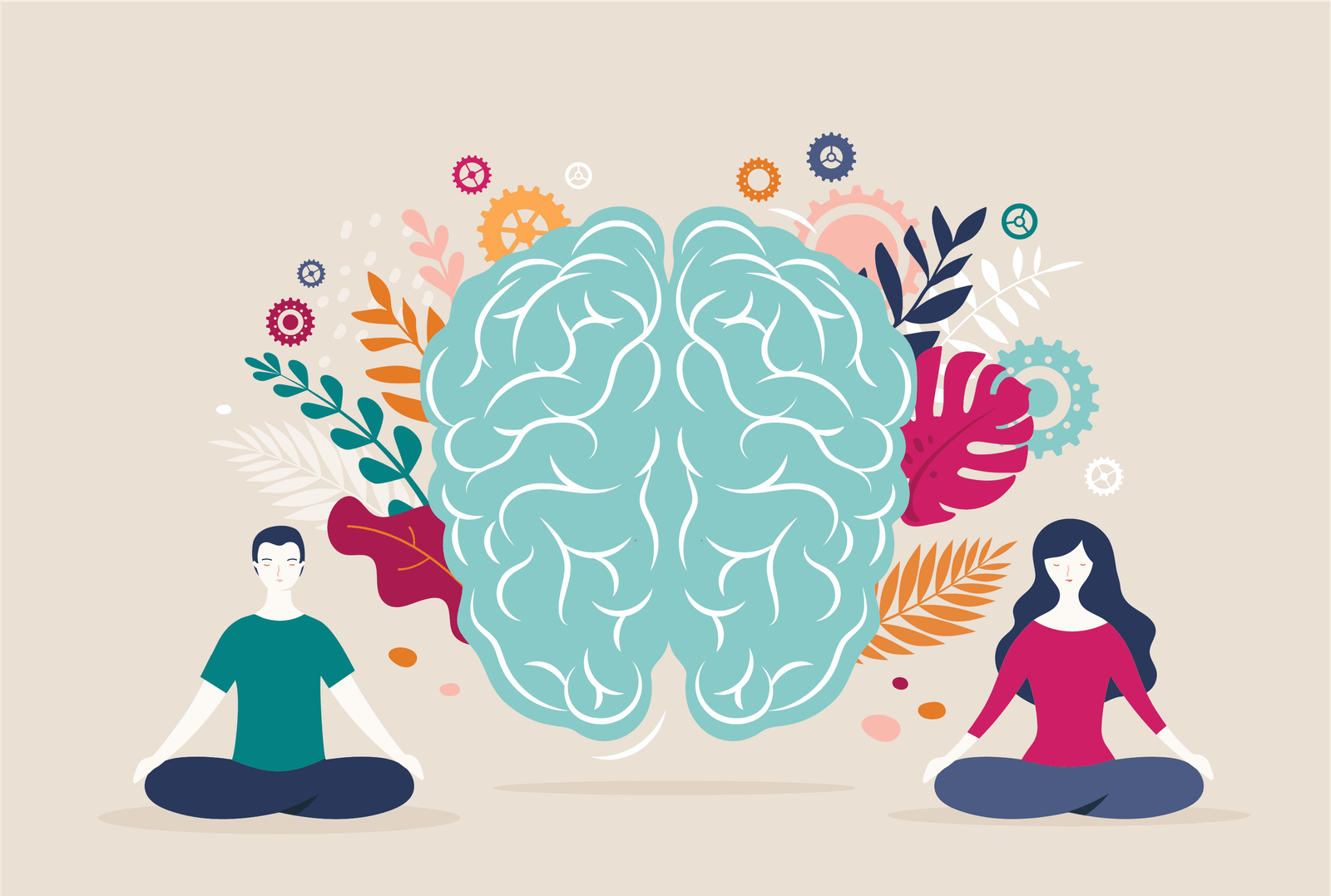
Mindfulness has been hailed as a powerful tool for managing stress, anxiety, and depression. By developing a non-reactive stance towards our thoughts and emotions, we can cultivate emotional resilience and navigate life's challenges with greater ease. In conclusion, as we navigate the complexities of the digital age, incorporating mindfulness into our daily lives can serve as a powerful antidote to the stresses and pressures of modern living. By cultivating awareness, compassion, and presence, we can embark on a journey toward greater mental well-being and fulfillment.
Frequently Asked Questions
What's Your Reaction?
 Like
0
Like
0
 Dislike
0
Dislike
0
 Love
0
Love
0
 Funny
0
Funny
0
 Wow
0
Wow
0
 Sad
0
Sad
0
 Angry
0
Angry
0












Comments (0)