
Finding Relief from Allergies: Effective Methods for a Breath of Fresh Air
Improving wellbeing requires finding relief from allergies. This blog examines a range of techniques, from dietary adjustments to pharmaceutical interventions, offering in-depth knowledge on controlling and reducing allergy symptoms.

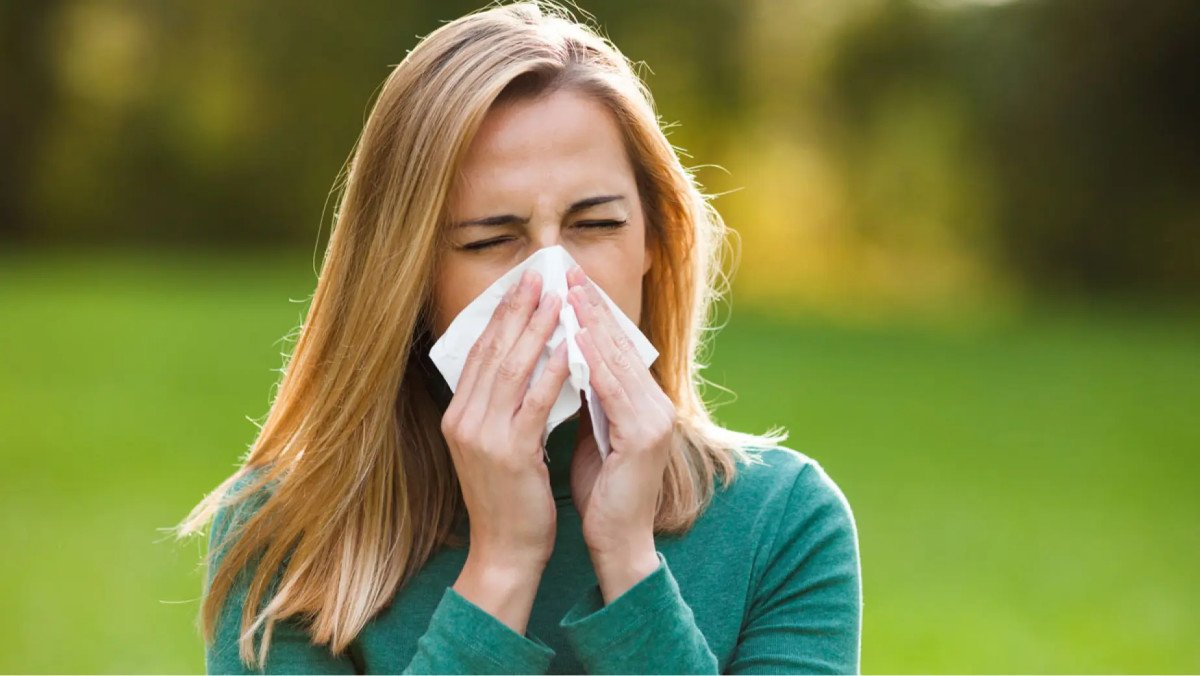
For many people, allergies can be a chronic problem that interferes with daily living and overall health. Finding efficient relief is essential, whether the cause is indoor allergens like dust mites, seasonal allergies brought on by pollen, or reactions to specific foods. This blog seeks to provide you with a variety of strategies for controlling and mitigating allergy symptoms so you can breathe easier and live life to the fullest.
Understanding Allergies
Understanding the causes of allergies is crucial before attempting any relief measures. Allergies arise from the immune system's aberrant response to normally harmless substances. Pollen, pet dander, dust mites, mold spores, and specific foods are examples of common allergens. Effective management begins with the recognition of these triggers.
1. Lifestyle Changes for Allergy Relief

Allergen-Free Home Environment
Making sure your home is free of allergens is crucial. Indoor allergens can be greatly reduced by investing in air purifiers, cleaning frequently, and reducing clutter.
Healthy Diet Choices
Certain foods can exacerbate allergy symptoms. Incorporating a balanced and nutritious diet, rich in antioxidants and anti-inflammatory foods, may help mitigate allergic reactions.
Hydration and Detoxification
Maintaining adequate hydration aids in the body's natural detoxification processes, which help eliminate allergens and lessen symptom severity.
2. Natural Remedies and Supplements

Local Honey
By desensitizing the immune system to local pollen, consuming local honey may help lessen the effects of seasonal allergies.
Probiotics
Probiotics support a balanced gut microbiome, which is essential for immune system control. For those who suffer from allergies, including foods or supplements high in probiotics may be helpful.
Quercetin Supplements
Some foods contain quercetin, a natural antihistamine that may help reduce allergy symptoms. Under a doctor's supervision, think about incorporating quercetin supplements into your regimen.
3. Medical Interventions

Over-the-Counter Antihistamines
Since histamine is a major factor in allergic reactions, antihistamines are frequently used to reduce the symptoms of allergies.
Nasal Corticosteroids
These prescription or over-the-counter nasal sprays help reduce inflammation in the nasal passages, providing relief from congestion and other nasal allergy symptoms.
Immunotherapy
Sublingual immunotherapy and allergy shots gradually expose the immune system to allergens, promoting the development of tolerance over time. Severe allergies can benefit greatly from this long-term strategy.
4. Mind-Body Techniques for Allergy Management

Stress Reduction
High-stress levels can exacerbate allergy symptoms. Incorporating stress-reduction techniques such as meditation, yoga, or deep breathing exercises may provide relief.
Acupuncture
Some individuals find relief from allergy symptoms through acupuncture, a traditional Chinese medicine practice that involves inserting thin needles into specific points on the body.
Conclusion, a multimodal strategy that incorporates dietary adjustments, over-the-counter medications, medical interventions, and mind-body therapies is necessary to effectively manage allergies. Through identifying your unique triggers and creating a customized plan for allergy relief, you can take back control of your health and breathe fresh air without having to deal with the limitations of ongoing allergy symptoms. Never forget to seek the advice of medical professionals for individualized guidance specific to your situation.
Frequently Asked Questions
What's Your Reaction?
 Like
0
 Dislike
0
 Love
0
 Funny
0
 Wow
0
 Sad
0
 Angry
0














Comments (0)