
Forklore or Facts? Debunking Diet Myths and Finding Your Wellness Truth in 2024
Discover the truth behind common diet myths and find your path to wellness in 2024. Learn how to build a balanced plate, the importance of physical activity, and more.


In the fast-paced world of health and wellness, myths and misconceptions about diets abound. From fad diets promising quick fixes to conflicting advice on what's truly healthy, it can be challenging to separate fact from fiction. In this comprehensive guide, we'll delve into some of the most common diet myths, unveil the truth behind them, and help you discover your path to true wellness in 2024.
Understanding Diet Myths
 The world of diets is full of myths and misconceptions that can lead to confusion and frustration. Understanding these myths is the first step towards making informed choices about your health.
Myth 1: Carbs Are the Enemy
One of the most common diet myths is that carbohydrates are bad for you. While it's true that some carbs, like refined sugars and white flour, can be harmful in excess, complex carbs found in whole grains, fruits, and vegetables are essential for energy and overall health.
Myth 2: Skipping Meals Helps You Lose Weight
Another prevalent myth is that skipping meals can help you shed pounds. However, this approach often leads to overeating later in the day and can negatively impact your metabolism.
Myth 3: Fat-Free Means Healthy
Many people believe that opting for fat-free or low-fat foods is a healthier choice. However, these products often contain added sugars and other additives to enhance flavor, making them less nutritious than their full-fat counterparts.
Myth 4: Detox Diets Cleanse Your Body
Detox diets are popular for their promise to cleanse the body of toxins. However, there is little scientific evidence to support these claims, and some detox diets can be harmful to your health.
Wellness Truth: Building a Balanced Plate
 The key to a healthy diet is to focus on balance and moderation. Building a plate that includes a variety of fruits, vegetables, whole grains, and lean proteins can provide the nutrients your body needs to thrive.
The Importance of Physical Activity
 In addition to a healthy diet, regular physical activity is essential for overall wellness. Exercise not only helps you maintain a healthy weight but also improves your mood and reduces your risk of chronic diseases.
Case Studies: Real People, Real Results
To illustrate the power of healthy habits, we've included real-life case studies of individuals who have transformed their lives through diet and exercise. 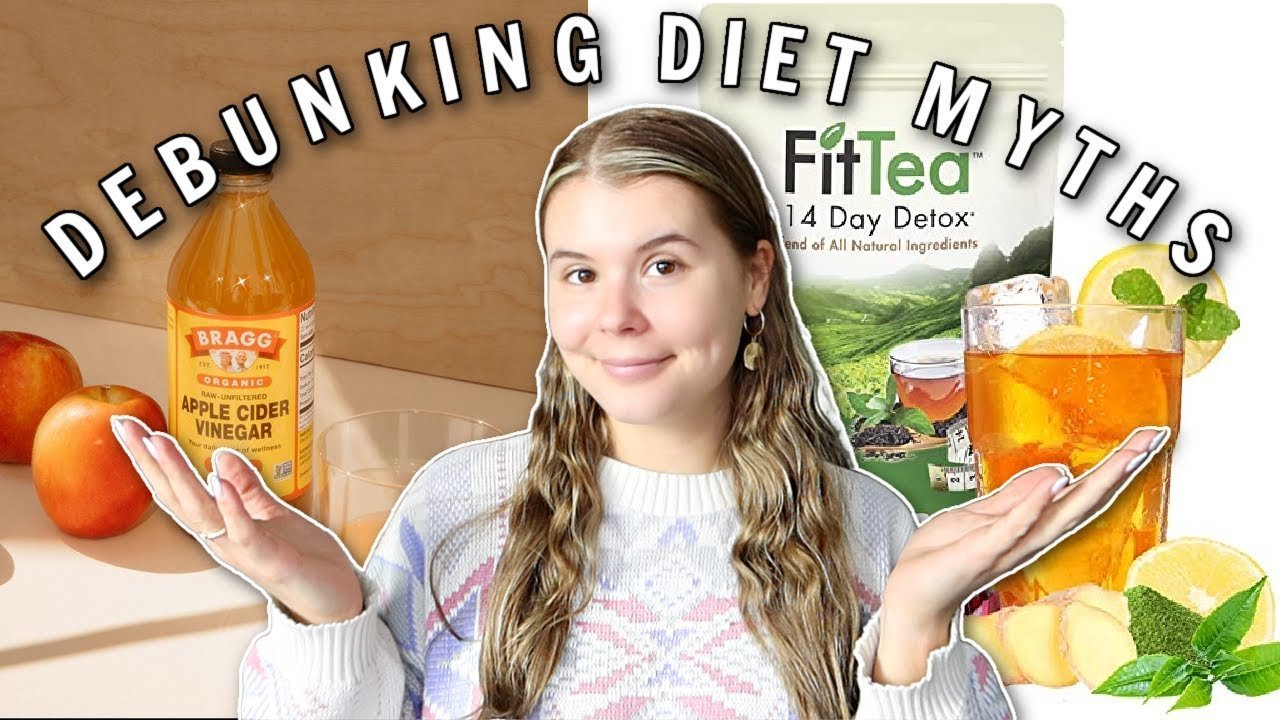
Conclusion: Your Journey to Wellness Starts Here
By debunking common diet myths and embracing evidence-based practices, you can take control of your health and wellness in 2024. Remember, the path to true wellness is not about perfection but about making small, sustainable changes that lead to lasting results.
Frequently Asked Questions
What's Your Reaction?
 Like
0
Like
0
 Dislike
0
Dislike
0
 Love
0
Love
0
 Funny
0
Funny
0
 Wow
0
Wow
0
 Sad
0
Sad
0
 Angry
0
Angry
0











Comments (0)