
The Power Of Touch: Massage And Aromatherapy For Older Adults
The power of touch is a crucial aspect of human interaction, and it can be especially beneficial for older adults. Massage therapy and aromatherapy are two complementary forms of touch therapy that can improve physical and emotional well-being in seniors. Read this pretty informative blog to know more.
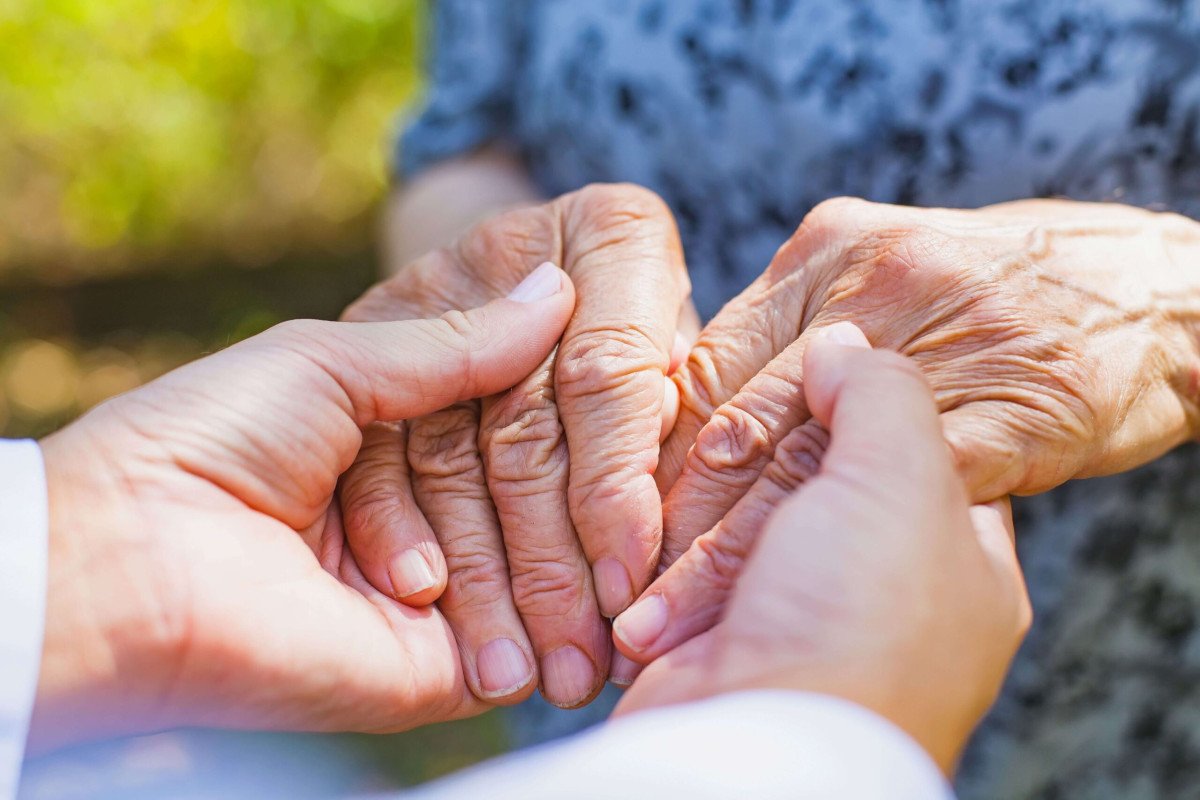
As people grow older, maintaining physical comfort, emotional well-being, and social connection becomes increasingly important. Simple therapies such as massage and aromatherapy can offer relaxation and comfort to many older adults. When used carefully, these complementary approaches may help create a calming experience that supports overall well-being.
Massage focuses on gentle touch and the movement of soft tissues, while aromatherapy uses pleasant scents from essential oils. Together, they can create a peaceful environment and provide a comforting sensory experience. However, older adults may have sensitive skin, medical conditions, or medications that require extra care, so these therapies should always be used safely and with professional guidance when necessary.
Massage Therapy for Older Adults
Massage therapy involves gentle pressure and movement of muscles and other soft tissues. For older adults, a properly adapted massage may help reduce feelings of stiffness and promote relaxation.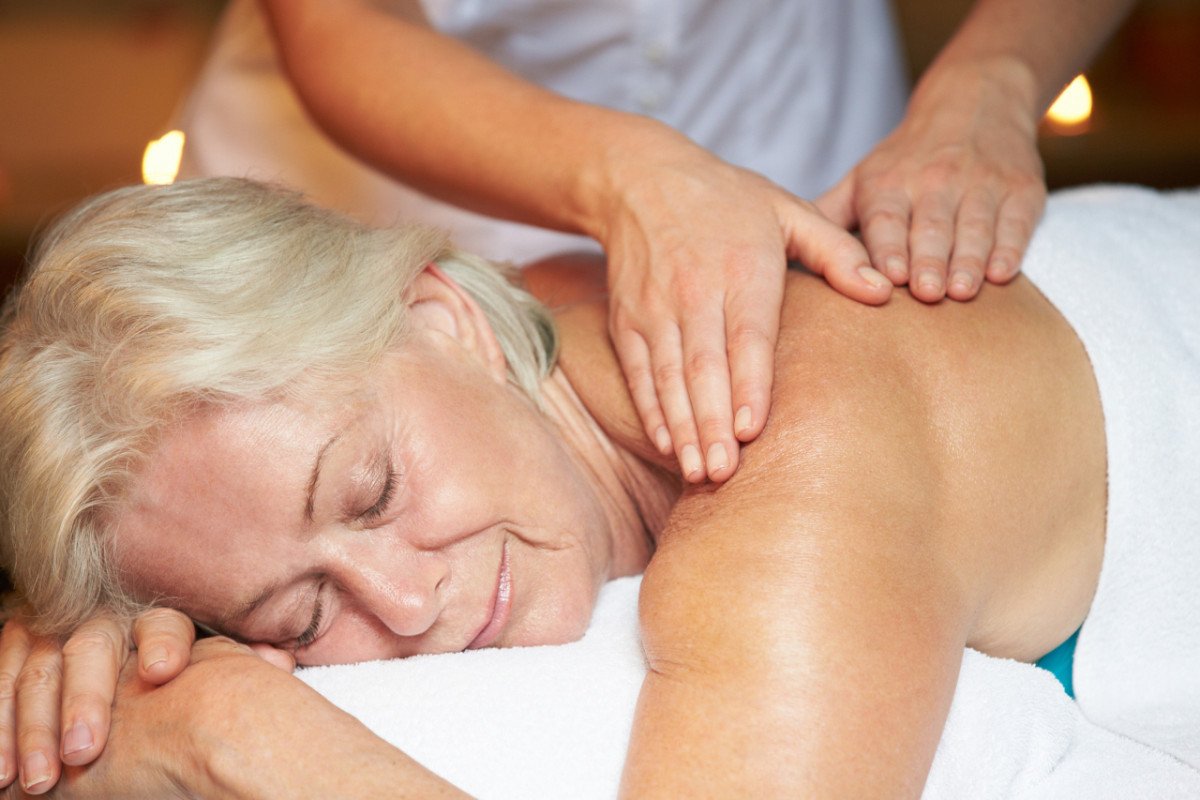
Many seniors experience muscle tension, reduced flexibility, and everyday discomfort. Gentle massage can provide a feeling of comfort and may support mobility and relaxation. It can also encourage quiet time and help people feel cared for and connected.
The pressure, duration, and technique should always be adjusted according to the person's age, comfort level, health condition, and preferences. A qualified massage therapist can help ensure that the session is appropriate and safe.
Aromatherapy for Relaxation
Aromatherapy uses natural aromatic oils extracted from plants. These oils are commonly used through carefully controlled inhalation, diffusion, or properly diluted topical application.
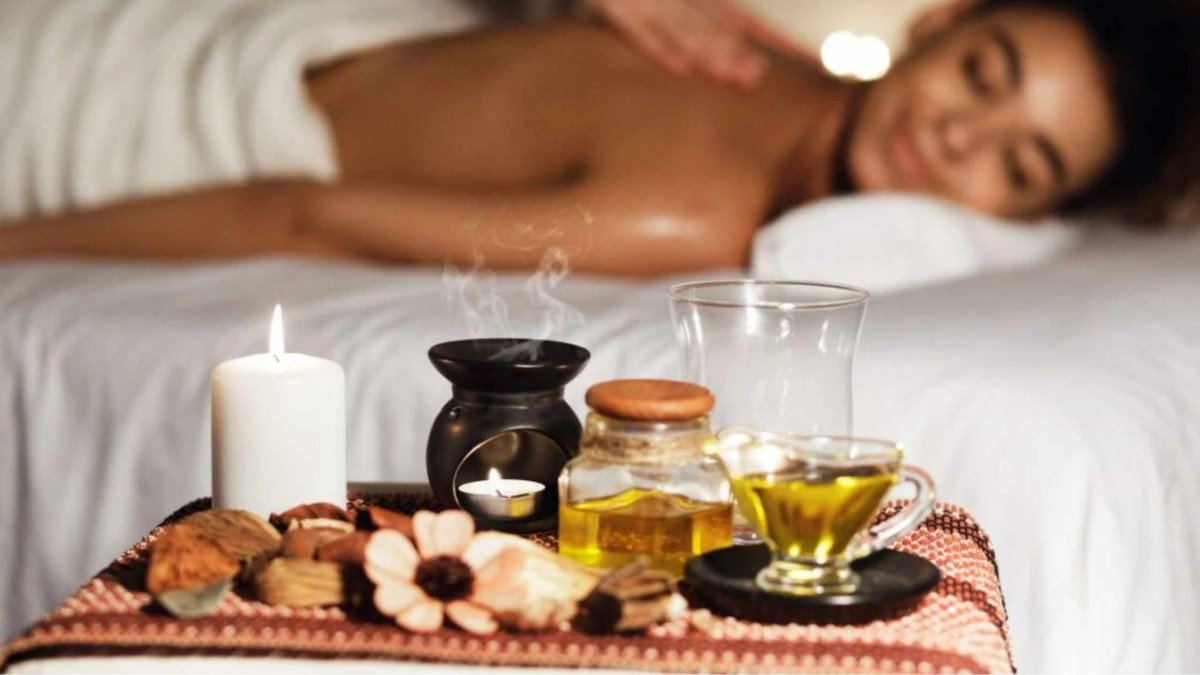
Pleasant scents can create a relaxing atmosphere and may support emotional well-being. For example, some people enjoy calming fragrances such as lavender or chamomile, while others may prefer fresh or uplifting scents.
It is important to remember that essential oils are highly concentrated. They should not be applied directly to the skin without proper dilution, and some oils may not be suitable for people with allergies, respiratory problems, sensitive skin, or certain medical conditions.
Benefits of Massage and Aromatherapy for Older Adults
1. Encourages Connection and Comfort
Human connection is important at every stage of life. Some older adults may experience loneliness or reduced social interaction, especially when living alone or facing mobility challenges.
A gentle massage or aromatherapy session can create a peaceful opportunity for positive interaction. Talking with a trained therapist, caregiver, or family member can also help an older person feel valued and supported.
For people living with memory difficulties, including dementia, a calm and respectful approach is especially important. Each session should begin by introducing the caregiver or therapist, explaining what will happen, and asking for permission before any touch takes place. Familiar routines, gentle communication, and consistent care may help the person feel more comfortable.
2. Helps Promote Relaxation and Reduce Muscle Tension
Older adults may experience muscle stiffness or tension because of reduced activity, posture, or everyday physical changes. Gentle massage may help create a feeling of relaxation in tight or tired muscles.
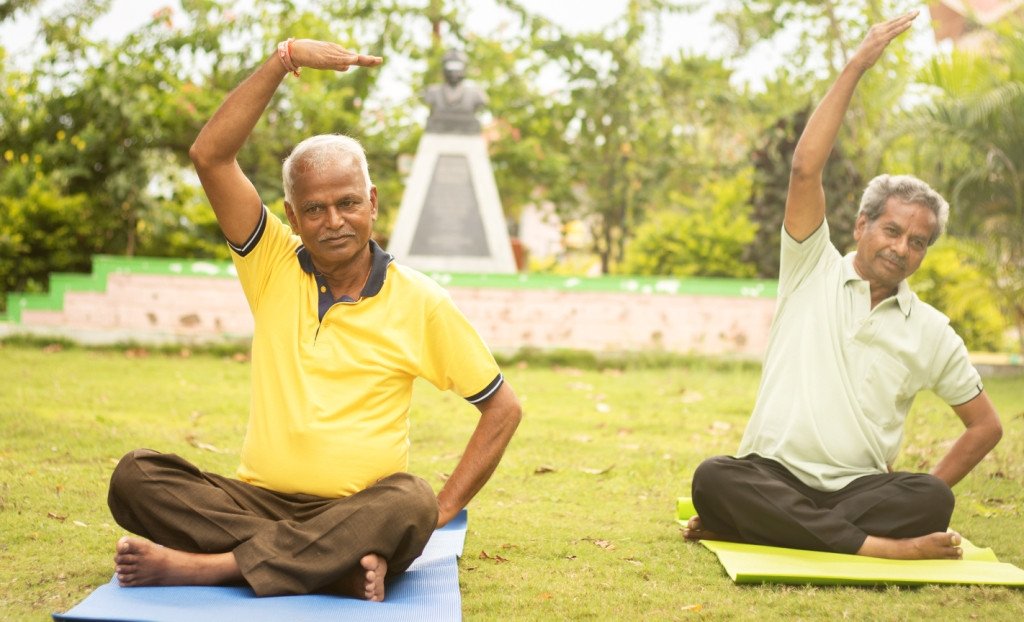
Aromatherapy can also contribute to a calming environment. When a person enjoys a particular scent, it may help them feel more relaxed and comfortable during a massage or rest period.
However, massage should never be used as a replacement for medical treatment. Severe or unexplained pain should always be discussed with a healthcare professional.
3. Supports Skin Care and Comfort
The skin often becomes thinner and more sensitive with age. Gentle touch and appropriate moisturising products can help support comfort, but extra care is necessary.
Massage products should be chosen carefully to avoid irritation. If essential oils are used, they must be properly diluted and tested cautiously. Some older adults may have allergies or skin conditions that make certain products unsuitable.
A gentle massage may also encourage awareness of skin comfort, but it should not be performed over wounds, infections, unexplained swelling, or other areas where medical advice is needed.
4. Engages the Senses
Massage and aromatherapy can provide a pleasant sensory experience through touch and smell. Gentle touch may offer comfort, while familiar scents may create a relaxing or enjoyable atmosphere.
Certain smells can also remind people of familiar places, gardens, foods, or positive experiences. These sensory experiences may help create moments of comfort and enjoyment.
The experience should always be based on personal preference. A scent that one person finds relaxing may be unpleasant or overwhelming to someone else.
5. May Support Better Relaxation Before Sleep
Many older adults experience changes in their sleep patterns. A calm bedtime routine can sometimes make it easier to relax before going to bed.
A gentle massage, relaxing music, quiet surroundings, or a mild preferred fragrance may help create a peaceful evening routine. Reducing stress and physical tension may also help some people feel more prepared for rest.
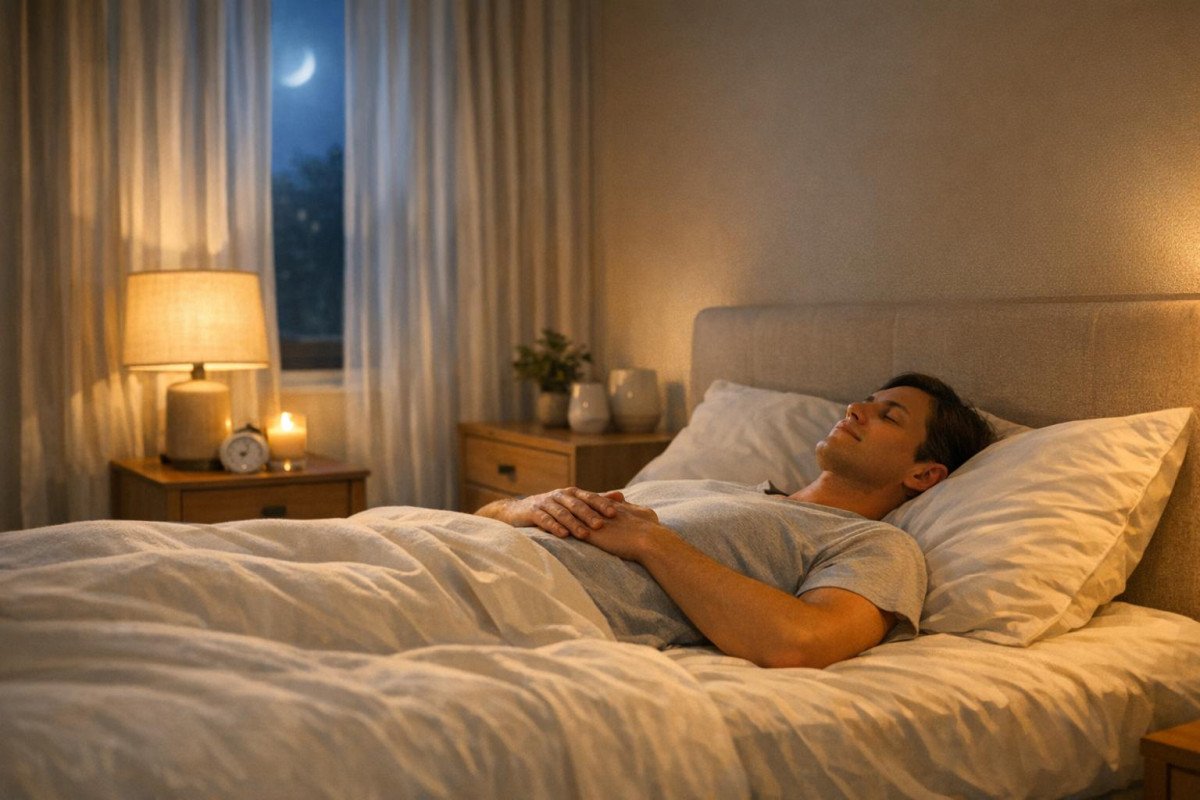
However, ongoing insomnia or major sleep problems should be discussed with a doctor, as they may be connected to medication, pain, breathing problems, or other health conditions.
Important Safety Tips
Massage and aromatherapy should always be adapted to the individual. Before starting, consider the following:
- Consult a healthcare professional if the older adult has a serious medical condition.
- Use a qualified and experienced massage therapist when possible.
- Always ask for consent before touching someone.
- Use gentle pressure and stop immediately if there is pain or discomfort.
- Dilute essential oils properly before applying them to the skin.
- Avoid oils that may cause allergic reactions or interact with medical conditions.
- Keep strong fragrances away from people with respiratory sensitivities unless approved by a healthcare professional.
- Avoid massage over wounds, infections, fractures, blood clots, or unexplained swelling.
- Respect personal preferences, comfort levels, and boundaries.
Conclusion
The power of gentle touch can be meaningful for older adults. Massage and aromatherapy may provide comfort, relaxation, sensory enjoyment, and opportunities for positive human connection. When used responsibly, they can become part of a calming self-care or caregiving routine.
The most important factors are safety, consent, comfort, and individual needs. Older adults have different health conditions and preferences, so a personalised approach is always best. With proper care and guidance, massage and aromatherapy can offer peaceful moments that support comfort and overall quality of life.
What's Your Reaction?
 Like
0
Like
0
 Dislike
0
Dislike
0
 Love
0
Love
0
 Funny
0
Funny
0
 Wow
0
Wow
0
 Sad
0
Sad
0
 Angry
0
Angry
0

Radiance Home Health Care is a home health care service that is available 24 hours a day, 7 days a week. With Radiance Home Health Care, the caregiver will come to your home and care for you and your loved ones. They can help with anything from medication reminders to meal preparation. The caregiver will also provide personal care such as bathing, grooming, and dressing. They will also help with housekeeping and light household chores. Radiance Home Health Care will work with you to customize a plan that meets your needs.




Comments (0)