
How Does Stress Affect Your Immune System?
Learn how stress impacts your immune system, weakening its ability to combat inflammation and disease. Discover effective strategies to manage stress and boost immunity.


You're undoubtedly aware that long-term stress is unhealthy and affects your immune system, but you're probably not aware of why stress is an issue for it. We'll go over why managing stress is crucial for your nervous system, how it impacts your body's capacity to fight inflammation, infection, and illness, and what you can do to reduce stress levels.
Stress can take a toll on your mental health, especially if it’s chronic. But can it affect your immune response? Learn how stress levels affect your immune system and how you can keep your stress levels in check.
Acute and Chronic Stress
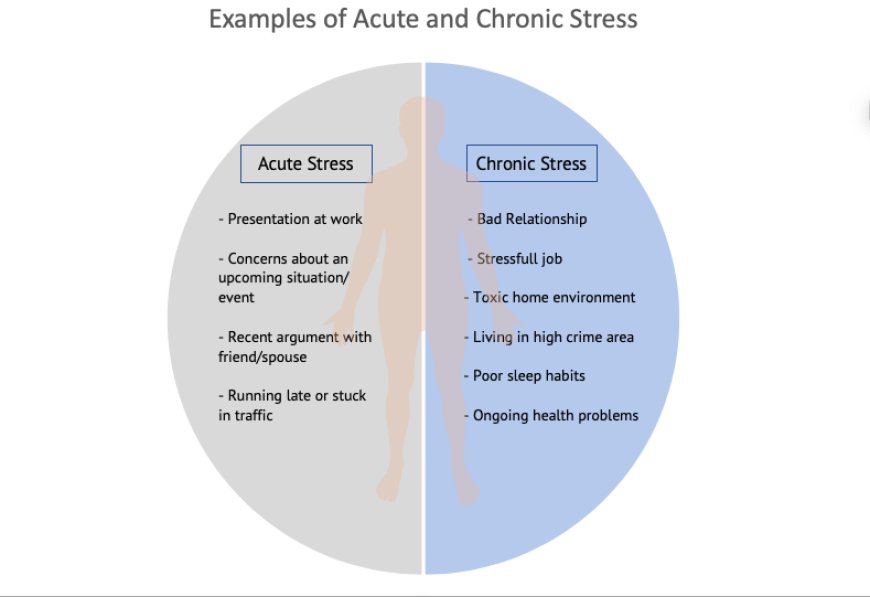
There are several sorts of stress, but for simplicity, we will focus on the two most common.
Acute stress.
As the name indicates, acute stress is stress that happens over a brief period. It is the phrase used to describe in-the-moment situations to which our bodies respond with a "stress response," which is the physiological reaction to feeling threatened in which your body produces the stress hormone cortisol as well as other chemicals designed to aid survival. Your heart may seem louder or faster than usual; your breathing may become shallow; and your blood pressure may rise.
Acute stress is usually seen as a fight-or-flight response. You've probably felt this way before. Blood is transported to our muscles, increasing our chances of prevailing in physical combat and allowing us to flee a threat more quickly.
Chronic stress.
This is the type of stress that impairs immunity. Chronic stress occurs when your body is constantly in fight or flight mode and becomes locked there. This does not imply that you are constantly worried; rather, you are stressed frequently enough that your body does not have time to recover before the next episode.
Chronic stress can be caused by a variety of factors, including hating your work, a terrible relationship, or sitting in traffic for hours each day. It affects both your mind and your body because you are making so much cortisol and other stress hormones that your body is unable to produce enough "feel good" chemicals to balance them out.
Stress and Inflammation
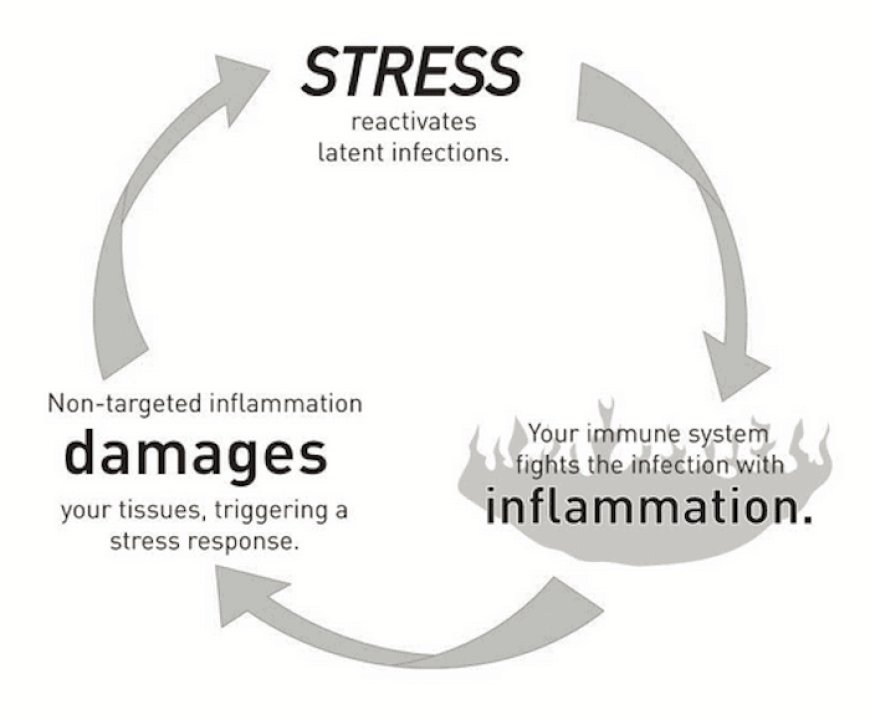
Long-term inflammation is a major cause of illness, and stress promotes inflammation. According to one research, "75%-90% of human diseases are related to the activation of the stress system."
Chronic stress causes systemic inflammation, in which our systems attack themselves, making it more difficult for them to fight off sickness.
Stress and Immune System Function
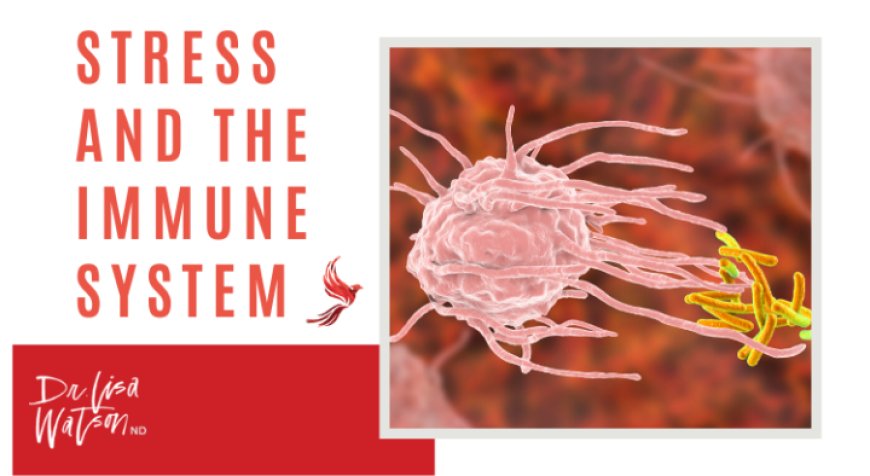
According to the American Psychological Association, stress can lower the amount of natural killer cells or lymphocytes in the body, which are necessary to combat infections.
A review of research published in Current Opinion in Psychology discovered that stress might stimulate the immune system to develop an inflammatory response, which can be temporarily advantageous in battling infections. However, if inflammation persists and spreads, it can lead to chronic conditions such as plaque accumulation on your artery walls. This is only one of the numerous elements that influence the intricate interaction between stress and the heart.
Chronic stress can cause elevated levels of the hormone cortisol. According to new immunology research, this can impair the body's anti-inflammatory response and lead to chronic infections.
If you're experiencing chronic stress, take the time to identify the sources and devise strategies to prevent or manage them. You'll be doing your immune system—and overall health—a favor.
Stress and infections
Long-term stress raises the likelihood of a life-threatening illness. Research has revealed that stress plays a role in virtually every case of life-threatening illness, with one study concluding that "stress-related disorders were associated with all studied life-threatening infections." Even while stress causes our bodies to combat themselves, it may not target the illness correctly.
Stress and Disease
Stress can frequently lead straight to illness. It inhibits our T cells, which help us fight sickness, and hence prevents our immune system from functioning properly. Stress raises the risk of diabetes, exacerbates asthma, and increases the likelihood of developing ulcerative colitis, to mention a few of the significant illnesses it may cause. It can also promote plaque accumulation in arteries, resulting in heart attacks, and it can exacerbate psychological disorders.5
Effective Stress Reduction Strategies
Here are four techniques to combat stress and improve your mental and physical wellness.
Exercise

Exercise helps alleviate anxiety and avoid future mental health disorders. Exercise leads our bodies to release feel-good chemicals, which are essentially the reverse of stress hormones.
Nutrition

Unhealthy meals may appear to relieve stress in the short term because they are pleasant and can flood our bodies with serotonin. However, most bad meals can cause inflammation over time, which can lead to sickness.
On the other hand, eating a balanced diet provides our bodies with the nutrients they require to combat stress. Some nutrients, such as omega-3, which is found most abundantly in wild fish, serve to aid bodies fight stress.
Make Time For Relationships

During difficult circumstances, you may feel compelled to withdraw and avoid social situations. Reaching out to those you care about is especially important at this time. Staying connected is especially vital during the pandemic.
Your social support system can help you deal with life's challenges by boosting your self-esteem. Take some time to video chat with a buddy, join an online gathering, or phone a family member.
Silence Negative self-talk

Choose to see difficult events positively. Replace negative ideas with optimistic thoughts, such as "It's okay that things didn't go as planned." "I can handle it." Finding the appropriate therapist may help you cope with stressful situations and give you effective ways to combat negative thinking.
Go for a walk

Never underestimate the power of a walk in nature. According to research, a 90-minute outdoor stroll can lessen brain activity associated with persistent negative thoughts. It's also an excellent way to get some physical activity into your day!
Conclusion:
Stress affects the immune system's ability to combat inflammation, infection, and sickness. Chronic stress, induced by variables such as job, relationships, or transportation, weakens immunity and causes long-term inflammation, resulting in chronic illnesses. According to research, stress system activation is responsible for 75%-90% of all human disorders. Exercise, diet, relationships, reducing negative self-talk, and walking are all effective stress reduction measures. general, stress management is critical for general health and well-being, which includes exercise, healthy eating habits, social relationships, and physical activity.
FAQ’s:
Q: Does stress influence wound healing?
Yes, persistent stress can impair the body's capacity to heal wounds by lowering protein synthesis and affecting overall tissue regeneration.
Q: How may stress management enhance immune function?
Exercise, meditation, and maintaining social relationships are all effective stress management practices that can help lower stress and boost immunological function. These measures can reduce cortisol levels and improve immunological function.
Q: How can I handle stress to help my immune system?
To handle stress, try progressive muscle relaxation, mindfulness meditation, frequent physical activity, staying socially connected, and obtaining professional treatment if necessary.
What's Your Reaction?
 Like
0
Like
0
 Dislike
0
Dislike
0
 Love
0
Love
0
 Funny
0
Funny
0
 Wow
0
Wow
0
 Sad
0
Sad
0
 Angry
0
Angry
0












Comments (0)